
A century and a half ago, Türkiye exported more wine than it makes in total today. It still holds the world’s fifth-largest area of vineyard, yet it’s counted among the “small” wine nations — and somewhere in that contradiction lies a lost inheritance. When populations were forced to move in the last century, much of the country’s grape-growing knowledge went with them: the techniques, the traditions, the festivals and rituals that had grown up around the vine over millennia. Anatolia has been quietly losing its grape heritage ever since.
Yaban Kolektif exists to slow that loss — not with sentiment, but with a corkscrew.
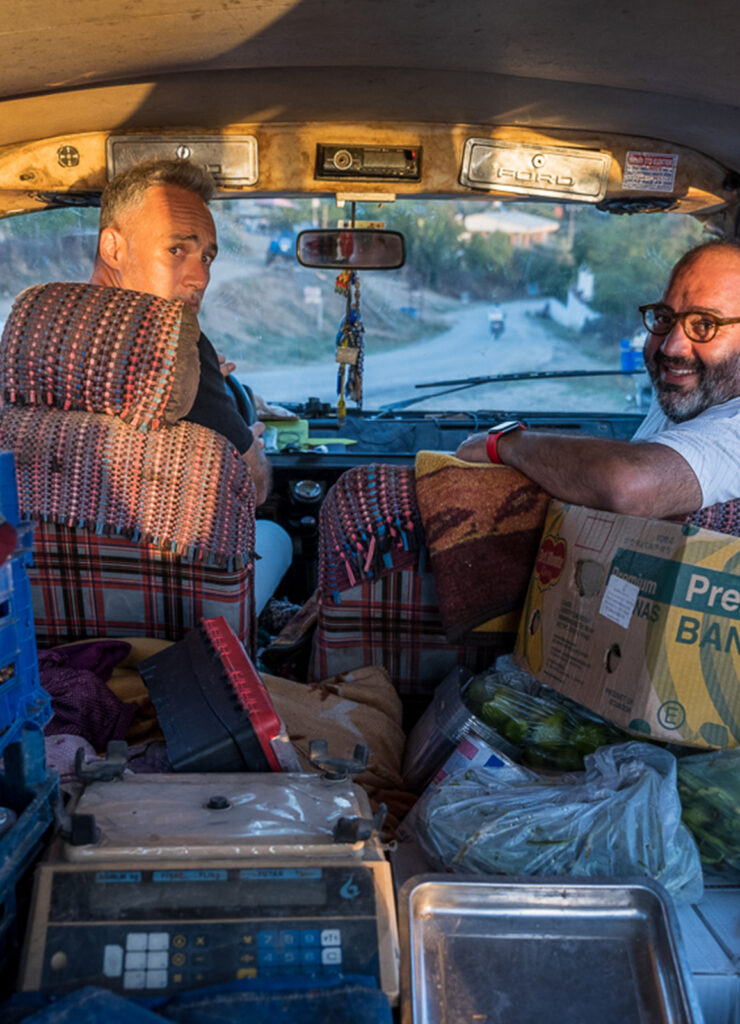
The project’s stated aim is deliberately unromantic: to make forgotten grapes commercially viable, and so save them from extinction by giving farmers a reason to keep growing them. The team is explicit that this isn’t about nostalgia; it’s about proving these varieties can make serious, characterful wine that stands on its own. Alongside near-vanished natives, they also work with international grapes — Sémillon, Carignan, Cinsault, Gamay, Alicante — that were planted across Türkiye a century ago but are rarely bottled by anyone today. The philosophy runs all the way through the cellar: native yeasts wherever possible, oak used so gently it never masks the grape, and a firm refusal of the polished “international style.” Because Yaban sources most of its fruit from other people’s vineyards, it also takes on the slower work of nudging those growers toward better farming, aiming for each vintage to be tended a little more carefully than the last.
What makes Yaban extraordinary is where the grapes come from. Under winemaker José Hernández-González — the same José behind Heraki — the wines read like a rescue log of Anatolian viticulture.
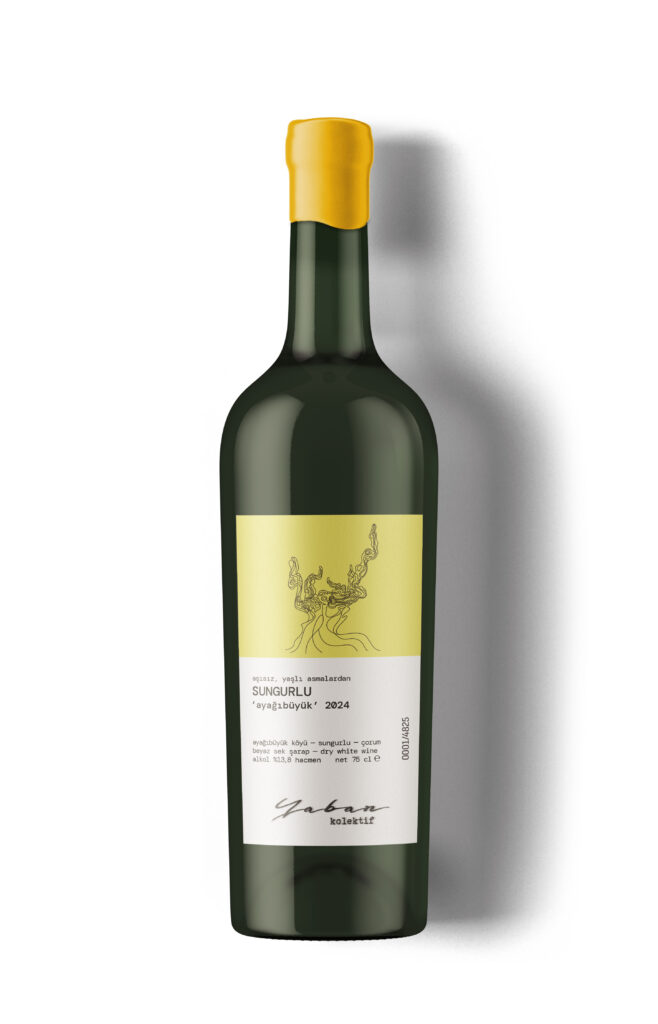
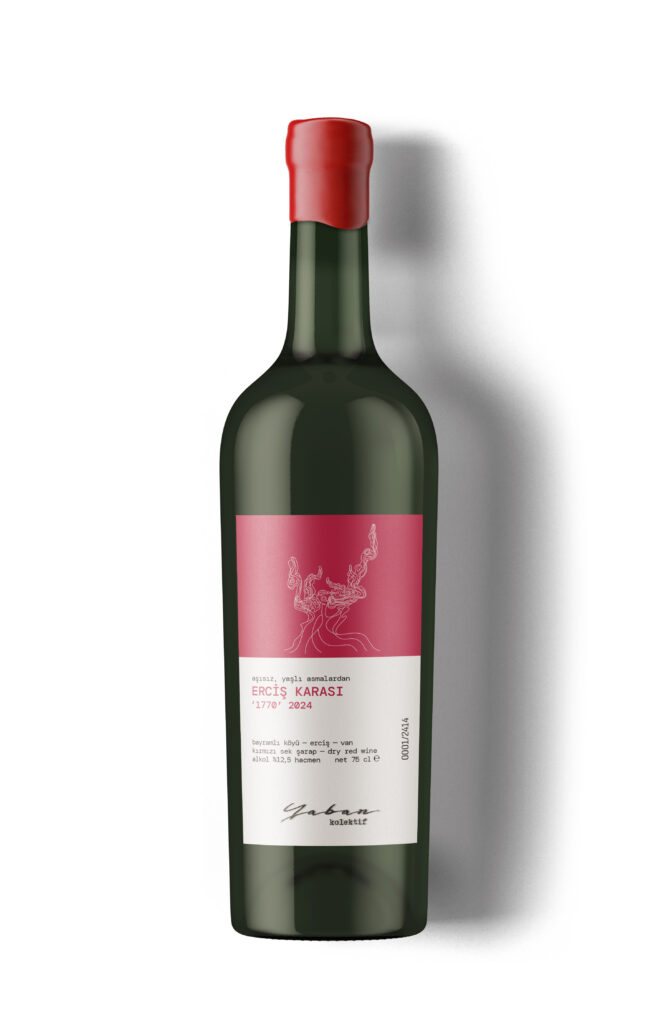
There is Sungurlu, a grape on the verge of extinction, drawn from ungrafted old vines near Çorum, twelve kilometres from the Hittite capital of Hattuşa; some of those vines are reckoned to be 150 years old. There is Erciş Karası from the shores of Lake Van, grown on ungrafted vines at 1,770 metres — high enough to rank among the world’s highest-altitude vineyards, in a village where Armenian communities once made wine. There is Gök, off sixty-year-old own-rooted vines in the Taurus foothills, and Patkara from vines over a century old on a limestone plateau at 1,300 metres, bottled in tiny quantities. Each label credits the grower by name — Selahattin, Şahin, Cem, Doğo — because for Yaban the farmers are the story.
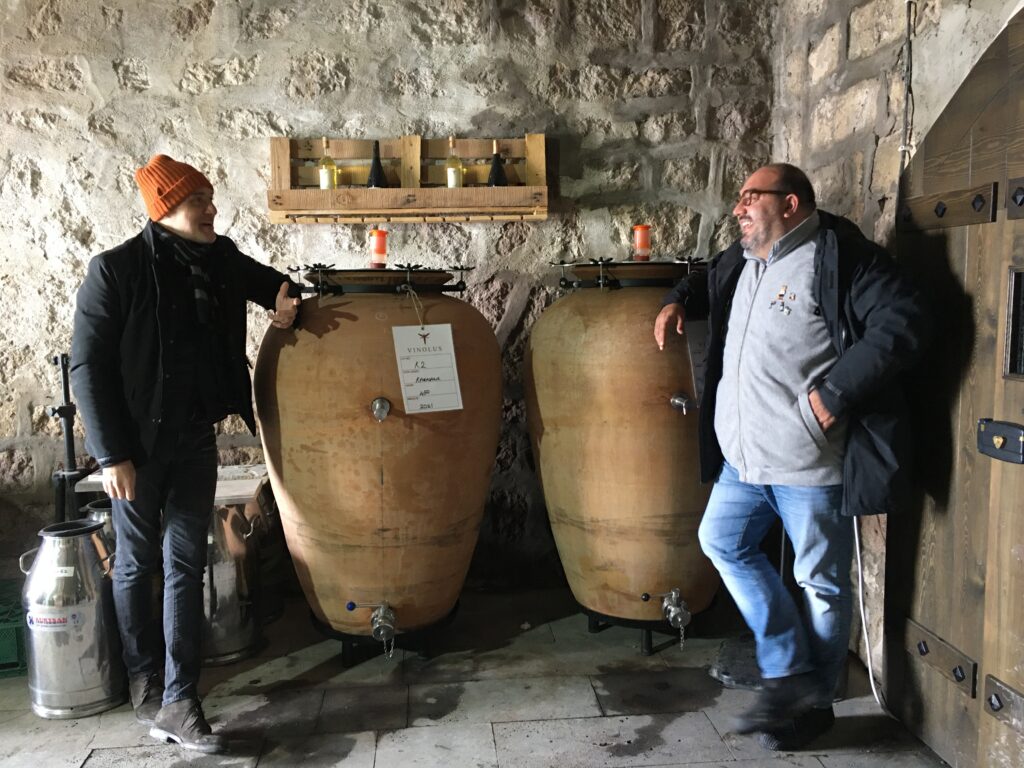
The winemaking is as varied as the sources: clay küps and egg-shaped tanks, whole-bunch ferments, glass demijohns, a sweet Sungurlu built as a solera from sun-dried grapes, and pét-nats resting in underground cellars. Nothing here is done to a formula, because the point is to let each near-lost grape finally speak in its own voice.
Yaban Kolektif set out to prove that another life is possible in an increasingly commercial wine world. In these bottles — small-production, deeply place-specific, some of them the last of their kind — it makes the case beautifully.
Foxes & Grapes takes its name from the ancient Greek fable by Aesop — a story about desire, perspective, and how we sometimes convince ourselves that something just isn’t worth it simply because it feels out of reach.
In 2025, we opened Foxes & Grapes Wine Bar in Brussels with a simple philosophy: wine should be enjoyed, explored, and shared by everyone.
Within our first year, the bar received a Red Star and later a Silver Star from Star Wine List, and was recognised as a finalist for Best Newcomer Wine Bar in Belgium.
Operating the bar also helped us reflect on the long-term direction of the project. The traditional wine bar model did not fully align with the broader vision we had for Foxes & Grapes.
So we decided to evolve.
Today Foxes & Grapes is growing into a platform built around three pillars:
What began as a wine bar is becoming something bigger: a space where curiosity, discovery, and great bottles come together.
And this is only the beginning.