
Most of the producers in this collection are young ventures rescuing forgotten grapes. Kavaklıdere is the house that was already there — the one that kept Turkish wine alive long enough for the rest to follow.
Its story begins with a marriage. Sevda and Cenap And met and married in Switzerland, then settled in Ankara in 1928, in the capital of a republic barely five years old. Recognising the potential of the land, and with the help of a Swiss banker friend, the couple bought up neglected vineyards in the Kavaklıdere neighbourhood — “the valley of the poplars,” which still gives the winery its name. In 1929 they founded what became Turkey’s first private-sector winery.
They didn’t do it alone. A Hungarian fermentation expert named Balaj, in Ankara at the time, shared the traditional European winemaking and cellar knowledge that shaped the winery’s early quality — a small, almost accidental collaboration that helped set a fledgling operation on solid footing.
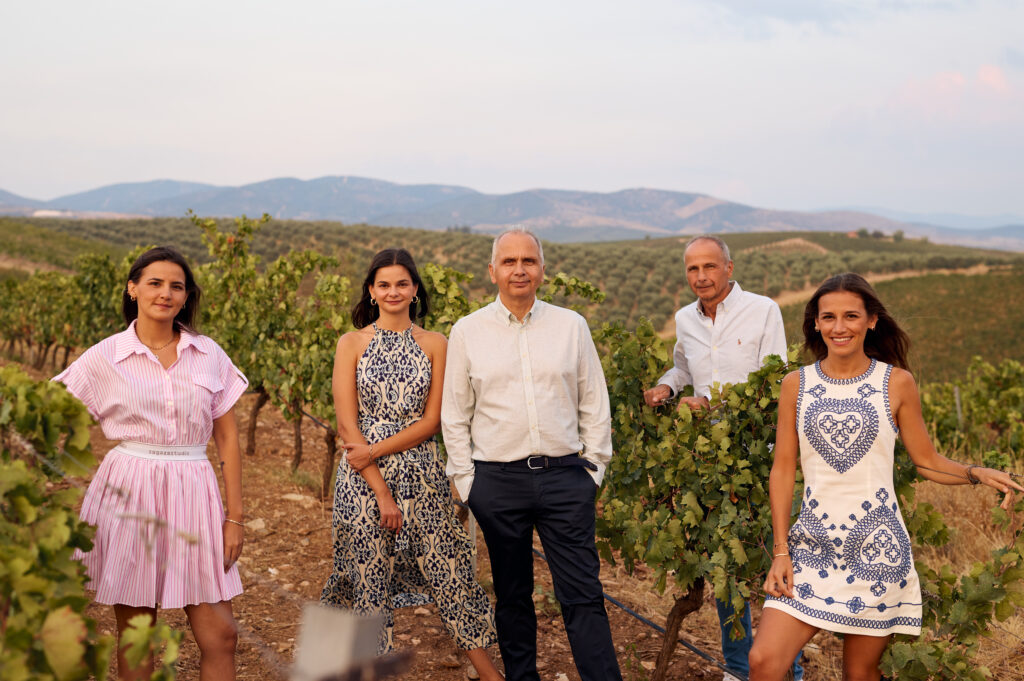
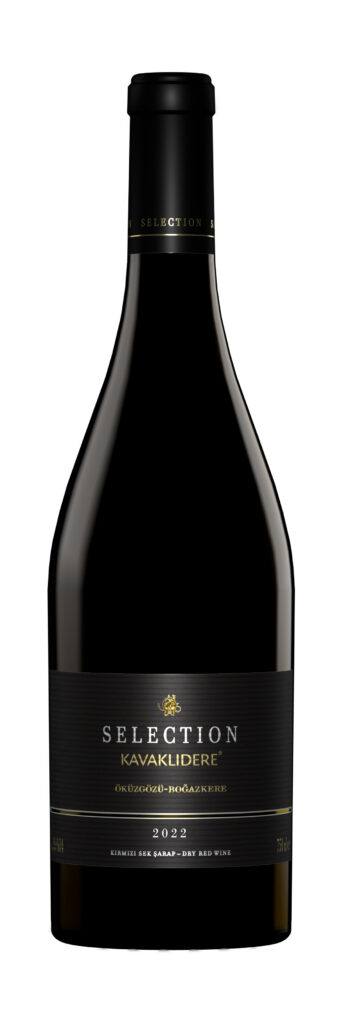
Nearly a century on, Kavaklıdere is still a family business, now in its fourth generation, and by any measure the country’s largest and most important producer. It makes dozens of different wines and exports around a fifth of its output. Yet the people who run it are keen to stress that scale doesn’t dictate philosophy. As one of its winemakers has put it, the company is the biggest but tries to work like a boutique winery — respecting terroir and grape character, and applying the same detailed attention to an everyday table wine as to a premium bottling, with quality prioritised over quantity.
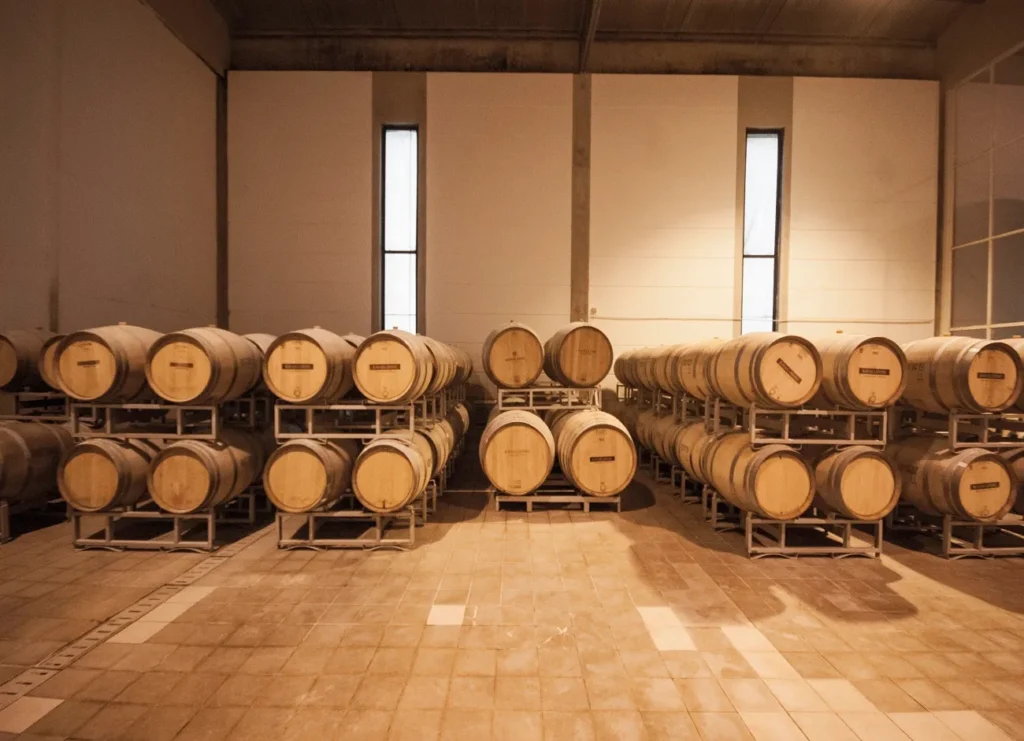
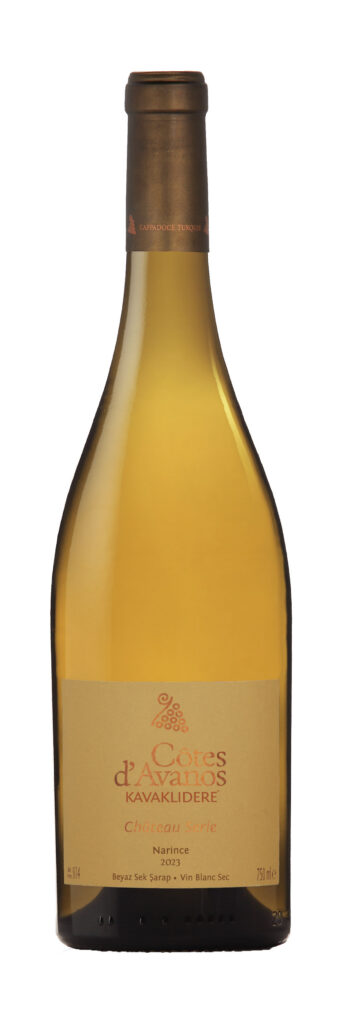
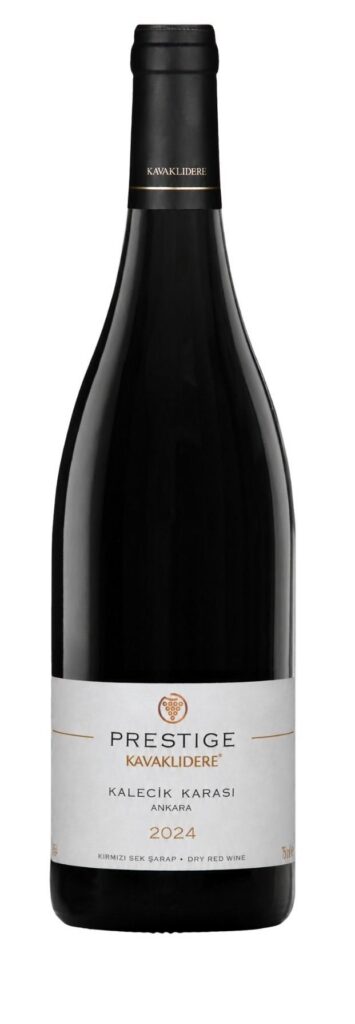
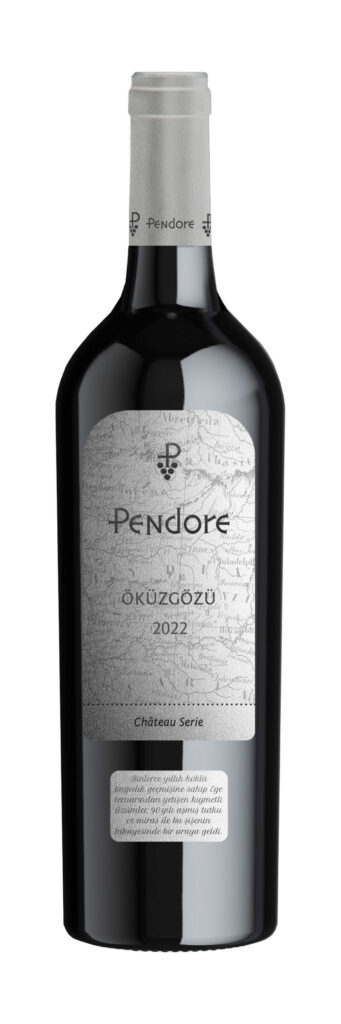
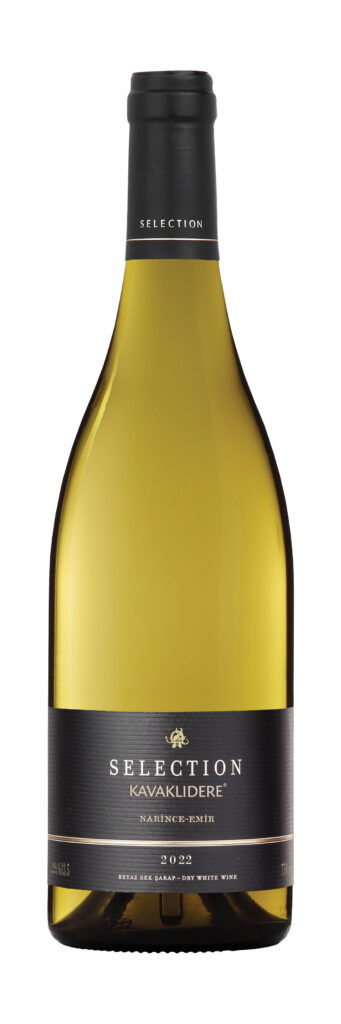
What Kavaklıdere offers that no small estate can is the whole sweep of Anatolia. Its vineyards — some 650 hectares — span seven distinct sub-regions, each with its own terroir. Ankara’s harsh continental climate anchors its work with Kalecik Karası; the volcanic tuff soils and high altitude of Cappadocia yield mineral, high-acid whites from Emir and Narince. The Pendore vineyards in the Aegean sit in a transitional zone where Mediterranean and continental climates meet, ripening both native and international varieties beautifully. Production is spread across three cellars: Akyurt in Ankara (1987), Côtes d’Avanos in Cappadocia (2003), and Pendore in the Aegean (2005).
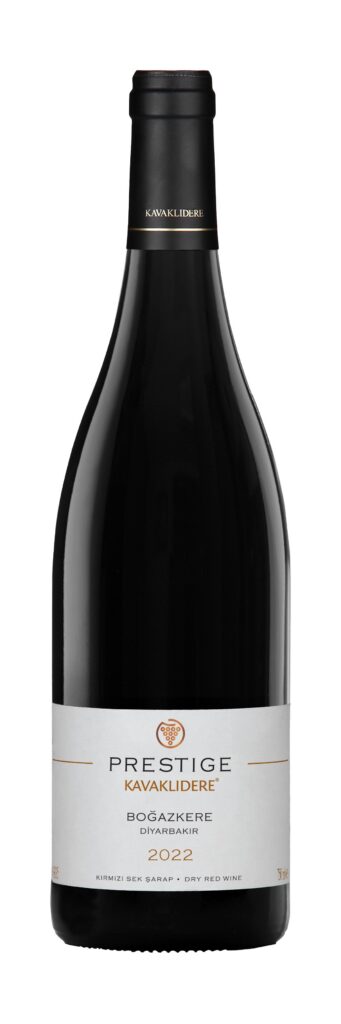
Crucially, this reach has been put to conservation as well as commerce. In the 1990s, Kavaklıdere is credited with rescuing Kalecik Karası — one of Türkiye’s finest red grapes — from near-extinction through dedicated vineyard work. It’s a reminder that the native-grape revival now driven by younger producers had an early champion in the country’s oldest one.
Kavaklıdere’s ambitions have long reached beyond Anatolia. Working with the French consultant Stéphane Derenoncourt, it acquired two Bordeaux estates — Château La Croix Lartigue and Château Claud-Bellevue — becoming the first Turkish winery to own property in France. The classic brands, meanwhile — the Çankaya white, Lal rosé and Yakut red — remain fixtures on Turkish tables at home and abroad, quietly introducing drinkers around the world to Anatolian wine.
To pour a glass of Kavaklıdere is to taste almost a hundred years of Turkish winemaking — the estate that turned a young republic’s vineyards into an industry, and never stopped believing the country’s grapes deserved a place in the world.
Foxes & Grapes takes its name from the ancient Greek fable by Aesop — a story about desire, perspective, and how we sometimes convince ourselves that something just isn’t worth it simply because it feels out of reach.
In 2025, we opened Foxes & Grapes Wine Bar in Brussels with a simple philosophy: wine should be enjoyed, explored, and shared by everyone.
Within our first year, the bar received a Red Star and later a Silver Star from Star Wine List, and was recognised as a finalist for Best Newcomer Wine Bar in Belgium.
Operating the bar also helped us reflect on the long-term direction of the project. The traditional wine bar model did not fully align with the broader vision we had for Foxes & Grapes.
So we decided to evolve.
Today Foxes & Grapes is growing into a platform built around three pillars:
What began as a wine bar is becoming something bigger: a space where curiosity, discovery, and great bottles come together.
And this is only the beginning.