
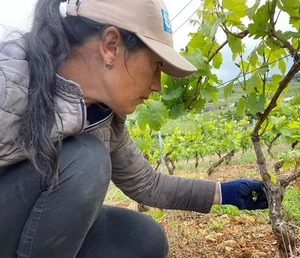
High on the hillside of Combiaty, at 427 metres, a house sits like a belvedere in the middle of the vines. This is the domaine of Céline and Armand Vernus — a 17-hectare estate in the heart of Beaujolais, and the sixth generation of a winegrowing family whose only inheritance, as they put it, was their know-how. Armand has led the family estate since the mid-1990s; together with Céline he has turned it into one of the region’s most consistent and admired addresses.
The couple’s talents are complementary, and locals describe them fondly: Armand’s seriousness, drive and professionalism balanced by Céline’s energy, warmth and charm — an equilibrium that runs right through their wines. Even the name they chose speaks to ambition. They deliberately call the estate a “château” to shift how people see Beaujolais — planted in the cradle of Brouilly, they hold a deep conviction about the appellation’s future and want to help drive that movement.
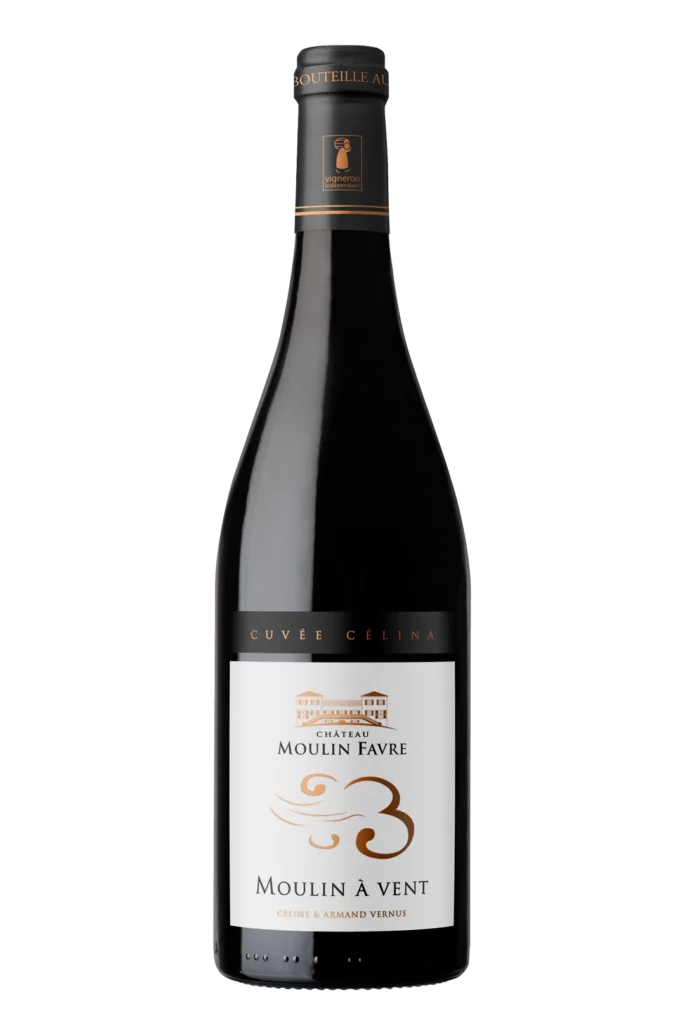
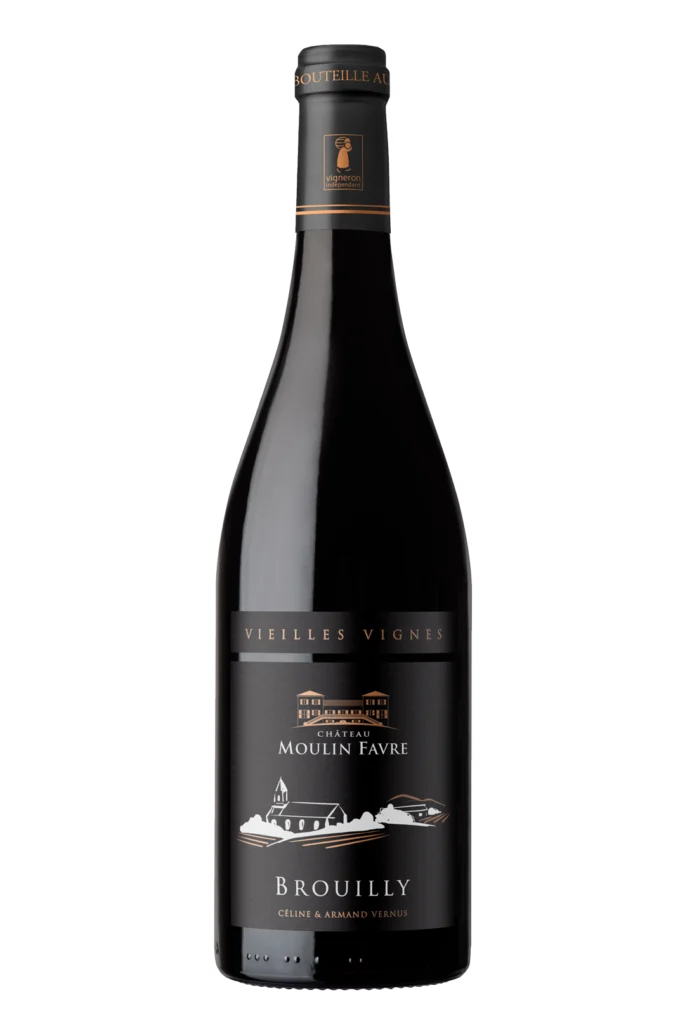
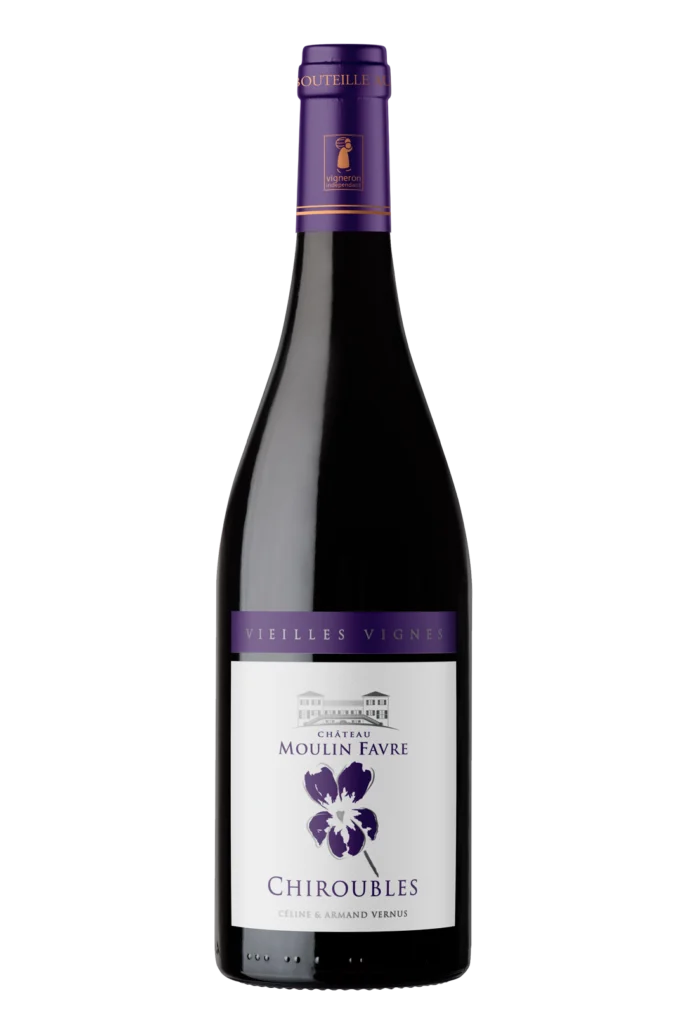
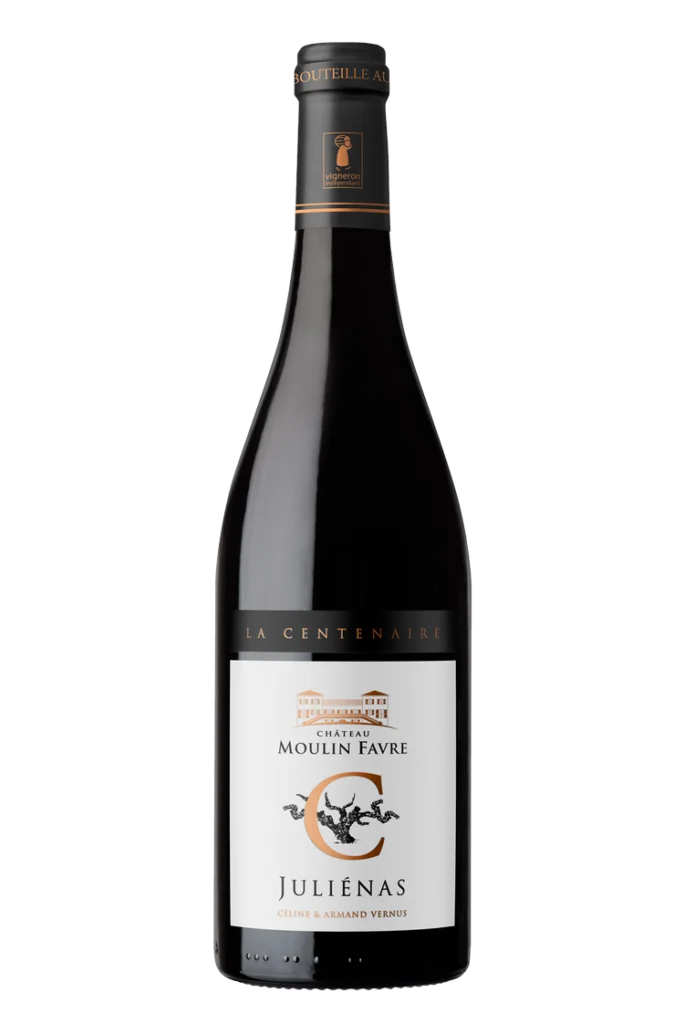
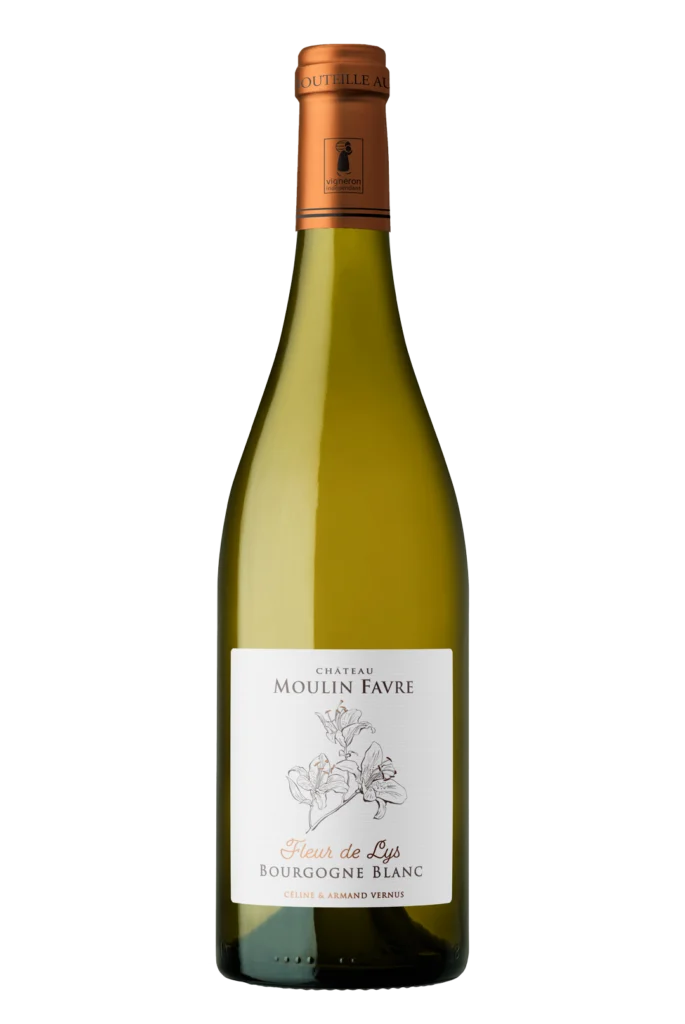
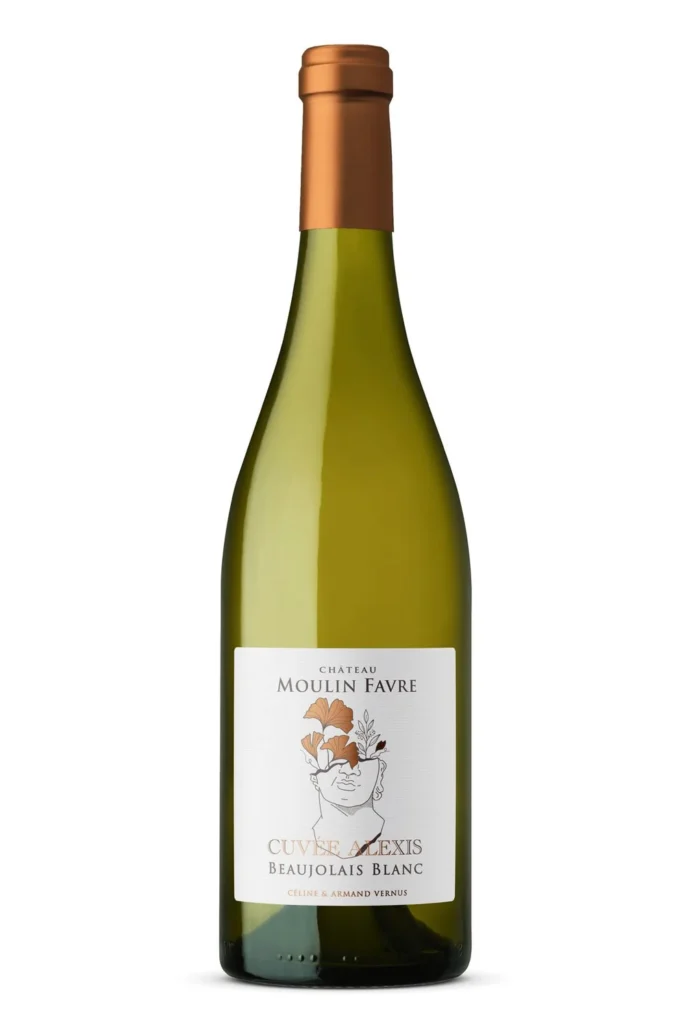
The estate reaches across an impressive spread of the region. Between them, the Vernus hold vines in Brouilly, Chiroubles, Morgon, Moulin-à-Vent, Juliénas, Saint-Amour, Beaujolais-Villages and Bourgogne, and they make Crémant as well. Brouilly is the heart of it — 11 of the 17 hectares — the vast, southerly cru at the region’s warm end. Much of the fruit comes from genuinely old vines; their prized Chiroubles is drawn from vines aged 60 to 80 years on sandy soils, and a cuvée aptly named “Centenaire” comes from Juliénas vines between 80 and 100 years old, rooted in granite and schist.
The winemaking has a clear signature. Harvest is entirely by hand, and the estate’s hallmark is destemming — unusual in Beaujolais — to round out the tannins and give the wines a silky texture. Each cuvée is vinified plot by plot to preserve the character of its terroir, with long macerations of 14 to 21 days in temperature-controlled vats to extract colour, aroma and tannin, and ageing in vat or barrel depending on the appellation. The Vernus have farmed thoughtfully for decades: members of the Vignerons Indépendants for over 30 years, they earned HVE (High Environmental Value) certification in 2019, steadily reducing chemical inputs in vine and cellar out of respect for the land.
The results speak for themselves. In 2023, the Vernus were named Winegrowers of the Year for Beaujolais by the Guide Hachette des Vins, scoring a remarkable double — coups de cœur for both their Chiroubles and their Juliénas. Yet for all the accolades, the domaine keeps a warm, unmistakably Beaujolais spirit — the kind of place that welcomes visitors to share a glass and a story.
Château Moulin Favre is Beaujolais at its most serious and most generous at once: old vines, silky Gamay, six generations of craft, and two vignerons determined to show what their crus can do.
Foxes & Grapes takes its name from the ancient Greek fable by Aesop — a story about desire, perspective, and how we sometimes convince ourselves that something just isn’t worth it simply because it feels out of reach.
In 2025, we opened Foxes & Grapes Wine Bar in Brussels with a simple philosophy: wine should be enjoyed, explored, and shared by everyone.
Within our first year, the bar received a Red Star and later a Silver Star from Star Wine List, and was recognised as a finalist for Best Newcomer Wine Bar in Belgium.
Operating the bar also helped us reflect on the long-term direction of the project. The traditional wine bar model did not fully align with the broader vision we had for Foxes & Grapes.
So we decided to evolve.
Today Foxes & Grapes is growing into a platform built around three pillars:
What began as a wine bar is becoming something bigger: a space where curiosity, discovery, and great bottles come together.
And this is only the beginning.