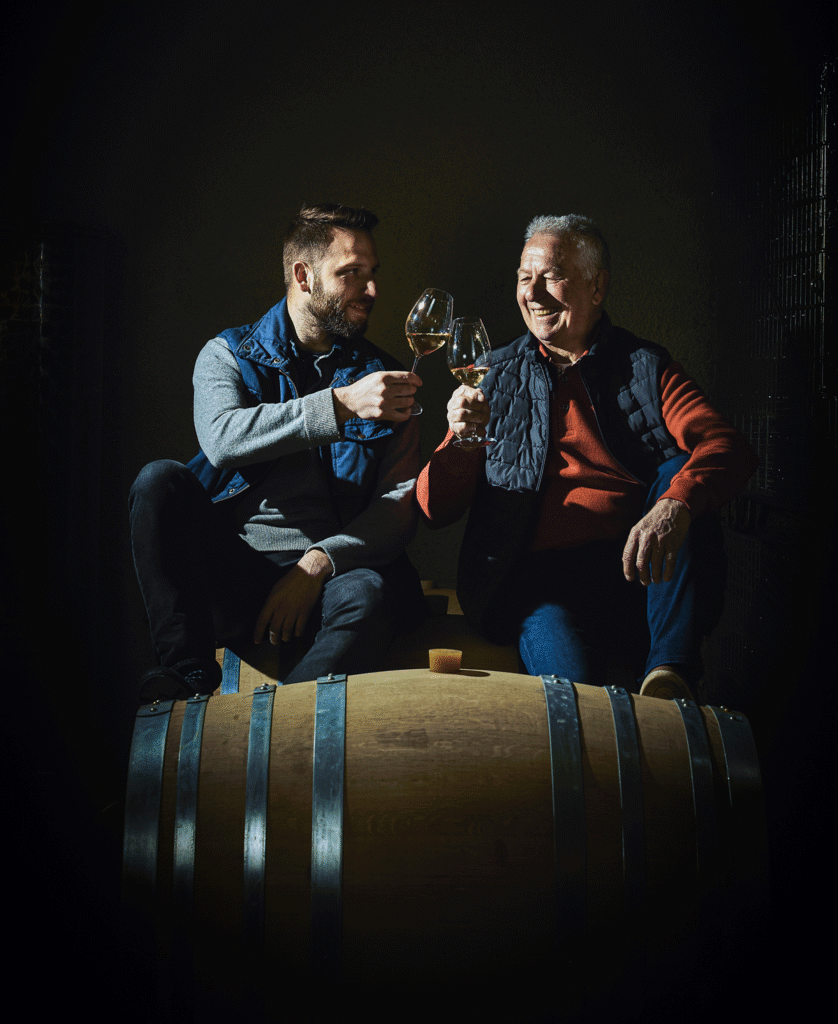
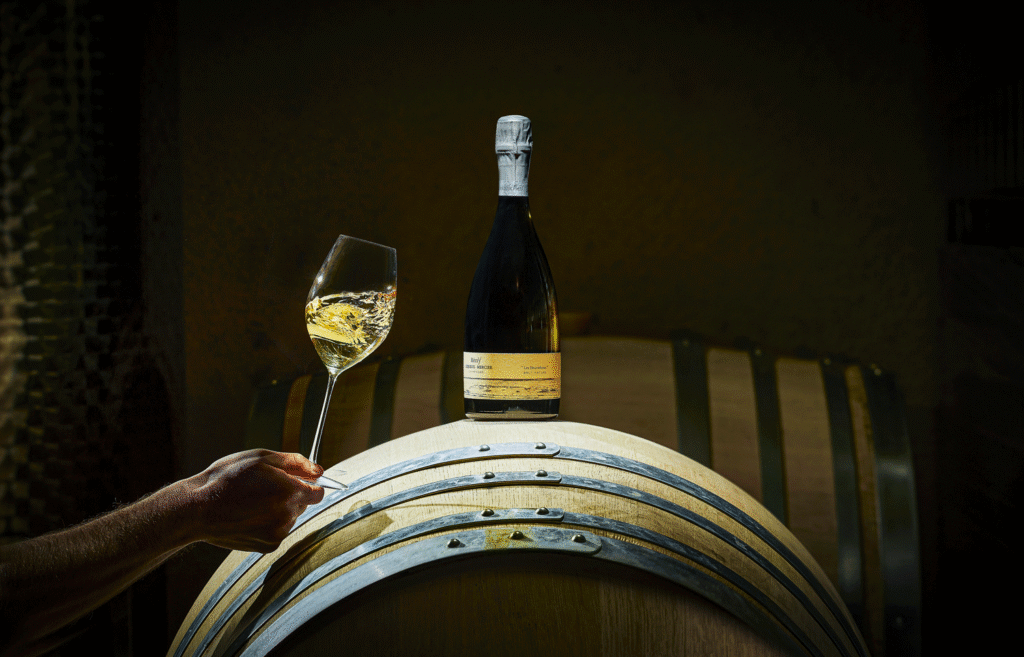
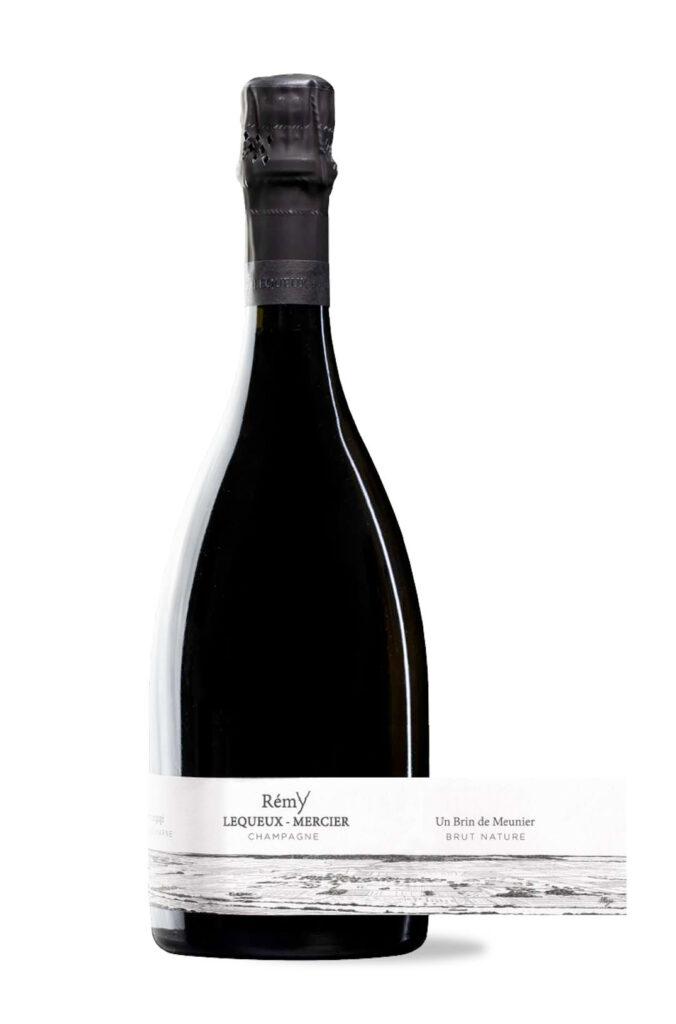
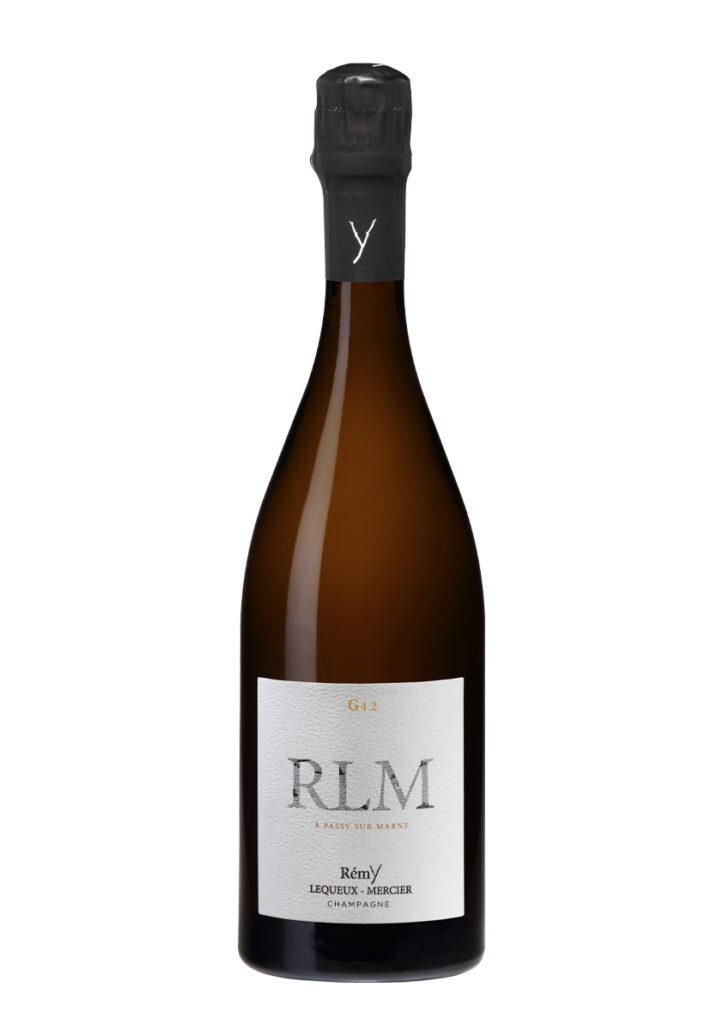
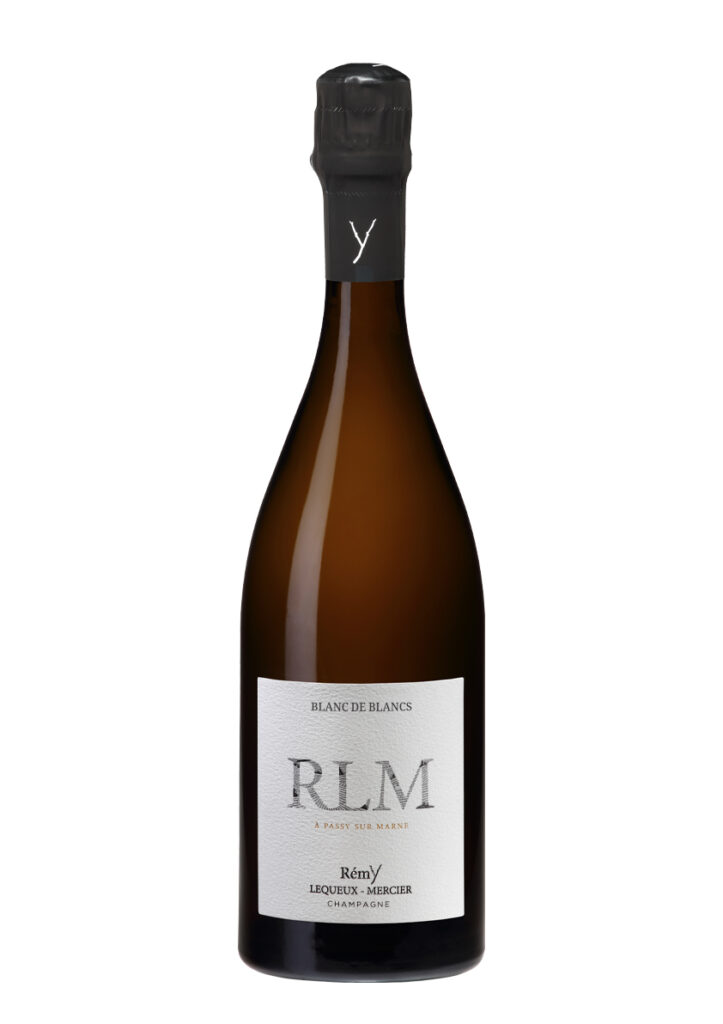
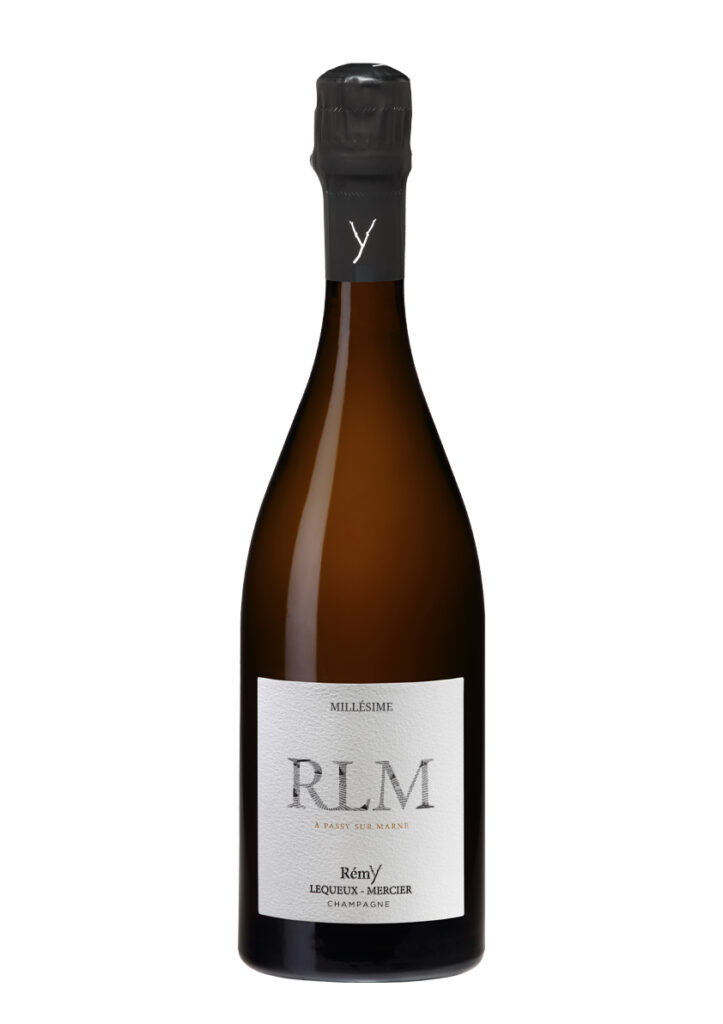
In a region dominated by grand names and gilded labels, some of the most exciting Champagne comes from people who tend their own vines, press their own grapes, and answer to no house style but their own. Rémy Lequeux-Mercier is exactly that kind of maker. The estate sits in Passy-sur-Marne, a village in the heart of the Marne Valley, in Champagne’s western reaches. The Lequeux-Mercier family owns its entire vineyard and has been making Champagne here for several generations, perpetuating tradition as independent winegrowers. The holdings run to seven hectares spread across 25 parcels in Passy-sur-Marne, Barzy-sur-Marne, Château-Thierry and Dormans, planted to all three Champagne grapes — Pinot Noir, Meunier and Chardonnay. Around 80% of the vines face south on clay-marl soils, the kind of aspect and ground that rewards patient, low-intervention farming.
A grower’s philosophy
What defines Lequeux-Mercier is the choice to do everything itself — the mark of a true récoltant-manipulant, or grower-producer. Where the great houses may blend grapes from as many as 80 vineyards to build a consistent house style, grower Champagnes like this one are terroir-focused, drawn from a tight cluster of village vineyards and made to vary honestly with each vintage. The family’s commitment is to intervene as little as possible: reducing external inputs to a minimum to keep the vines healthy and preserve the authenticity of each terroir. In the cellar, grapes are hand-harvested at maturity and pressed slowly and gently to obtain fine, precise juices; grape varieties and certain plots are kept separate to allow single-plot bottlings, and fermentation is drawn out as long as possible for delicate, well-integrated aromas. Malolactic fermentation isn’t done systematically, but decided vintage by vintage — a sign of a maker responding to the wine in front of him rather than a formula.
A fresh energy, two distinct styles
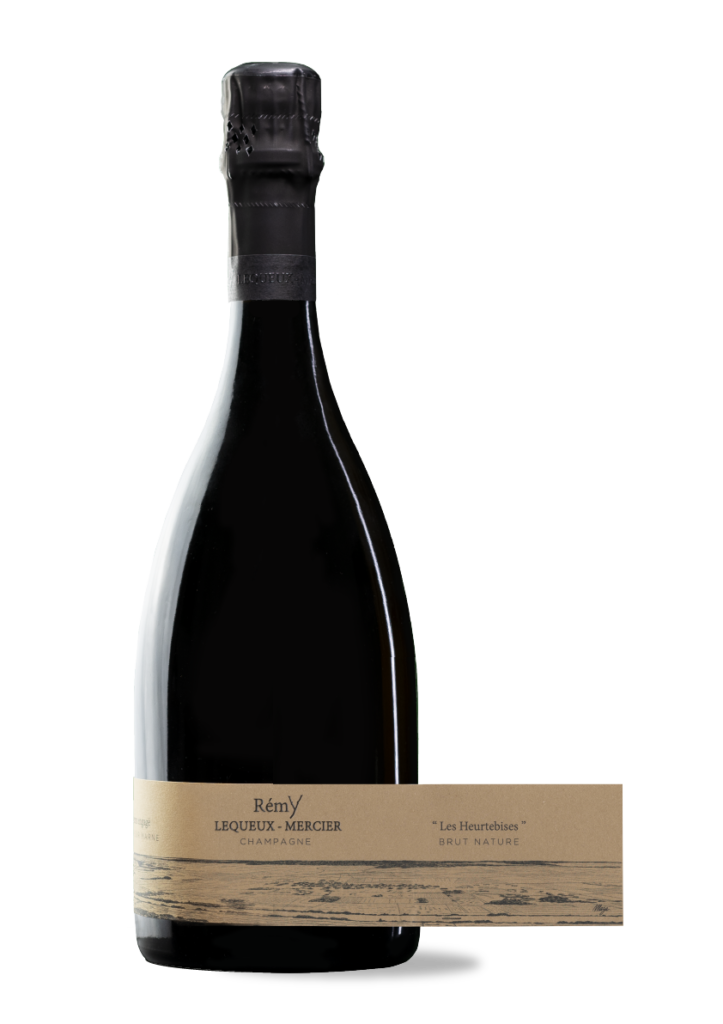
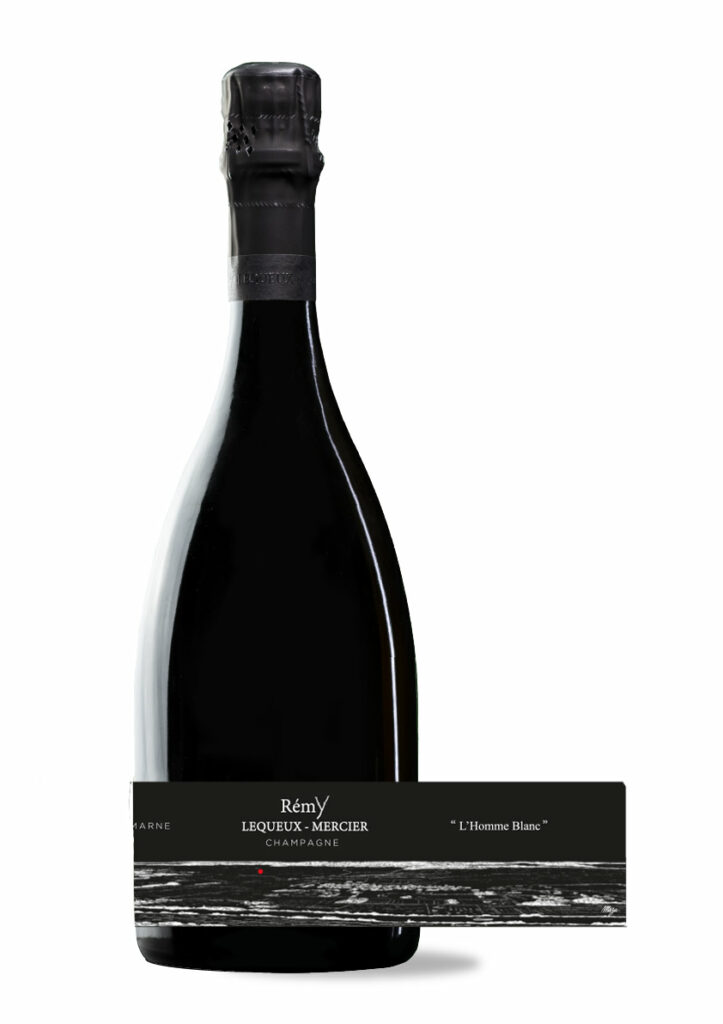
Rémy himself has brought new life to the family maison, and the range reflects a young grower’s confidence. He now makes two distinct styles: a playful, fruity non-vintage cuvée that flirts nicely with oxidation, and serious, oak-vinified single-variety wines that are deep and expressive. The single-parcel bottlings show real character — a 100% Meunier from Les Heurtebises, for instance, is vinified in oak, with an engaging nose of brambles, spice and sweet oak, and a gorgeously rich, deep palate — while the estate also makes still red Coteaux Champenois, an increasingly sought-after Champagne rarity.
For a collection built on discovery, Lequeux-Mercier is a perfect fit: authentic, hand-made grower Champagne from a family that owns every vine it works — and from a new-generation vigneron worth watching.