
Some winemakers can point to the exact glass that changed everything. For Seyit Karagözoğlu, there were two.
The first came at seventeen, at boarding school in Switzerland, when his father — a tobacco dealer who wanted his son to have an international education — visited for a weekend and ordered a bottle of Musigny over dinner. The young Karagözoğlu remembers the taste to this day: how could a wine be this good? The second came years later, in a village on the Marmara coast. In 2001 he tasted a 1996 Kolorko — one of the last few bottles the winemaker had left — and was told the wine would never be made again, because the grape had grown almost impossible to find. One glass lit the passion; the other gave it a mission.
Karagözoğlu came to winemaking the long way round. In 1993 he founded an import company, bringing wine and beer into Türkiye — a vantage point that taught him exactly what the world already had too much of. “The last thing the world needed was a Turkish Cabernet,” he has said. And yet Türkiye was rich in indigenous varieties. He founded Paşaeli in 2000, planting his first five hectares at Kaynaklar near İzmir, in the warm Aegean country that specialises in rich reds. The winery takes its name from the ancient city of Paşaelis, a nod to the historical depth beneath the whole project.
His strategy was pragmatic. Knowing a young winery needs cash flow, his first two wines — Kaynaklar and K2 — were Bordeaux-style reds aimed at the domestic market’s love of the style. Once he had a following, he could turn to his real passion: the discovery and conservation of native grapes. To get the details right, he brought in Andrea Paoletti, the acclaimed Italian consultant behind wines like Tignanello and Ornellaia, to shape the viticulture and winemaking from the ground up.
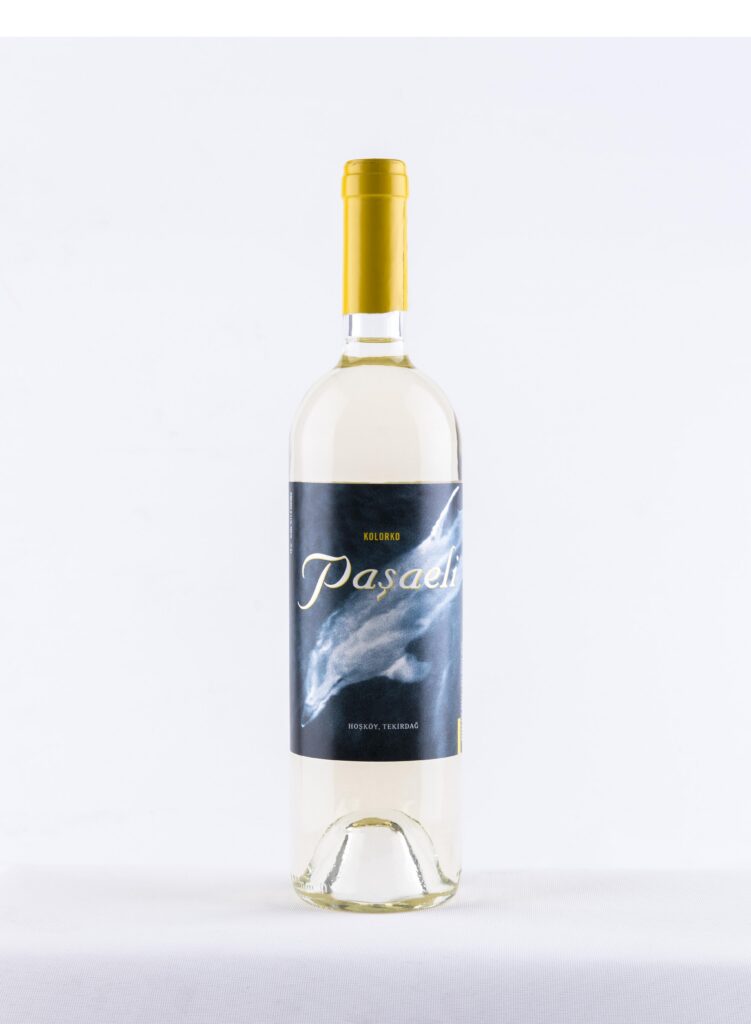
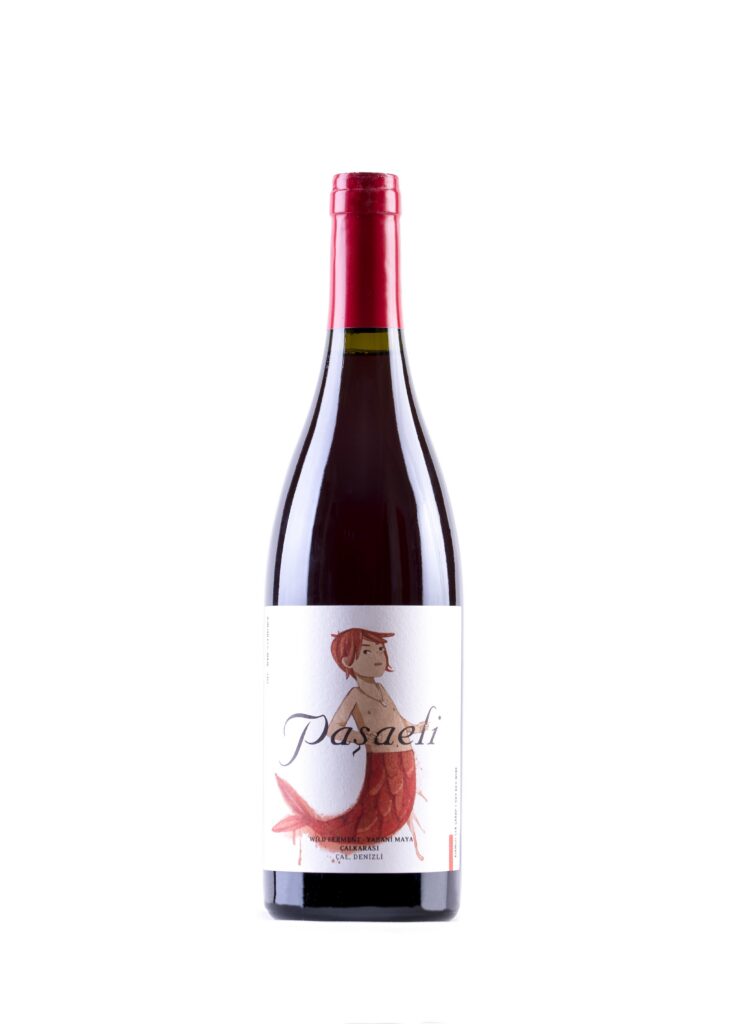
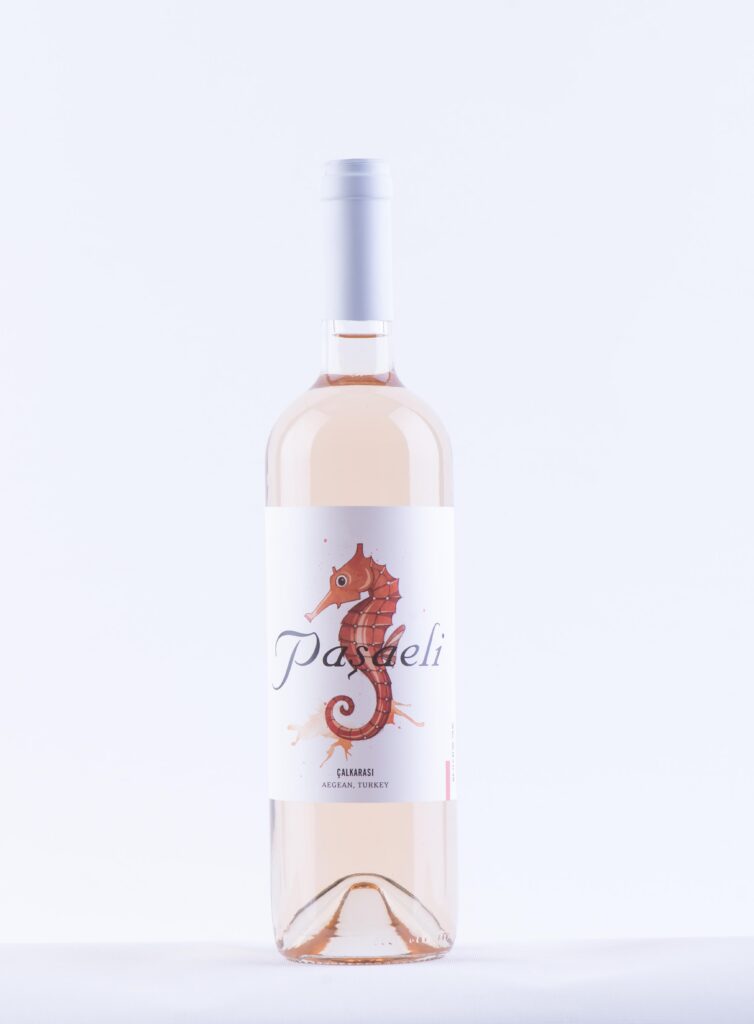
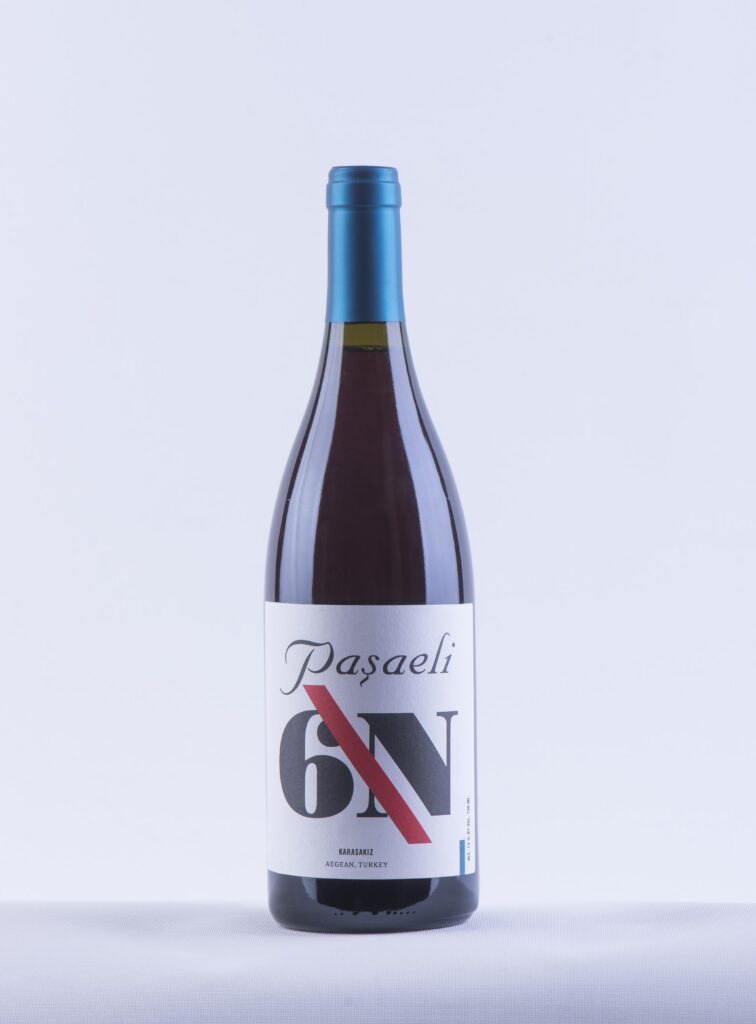
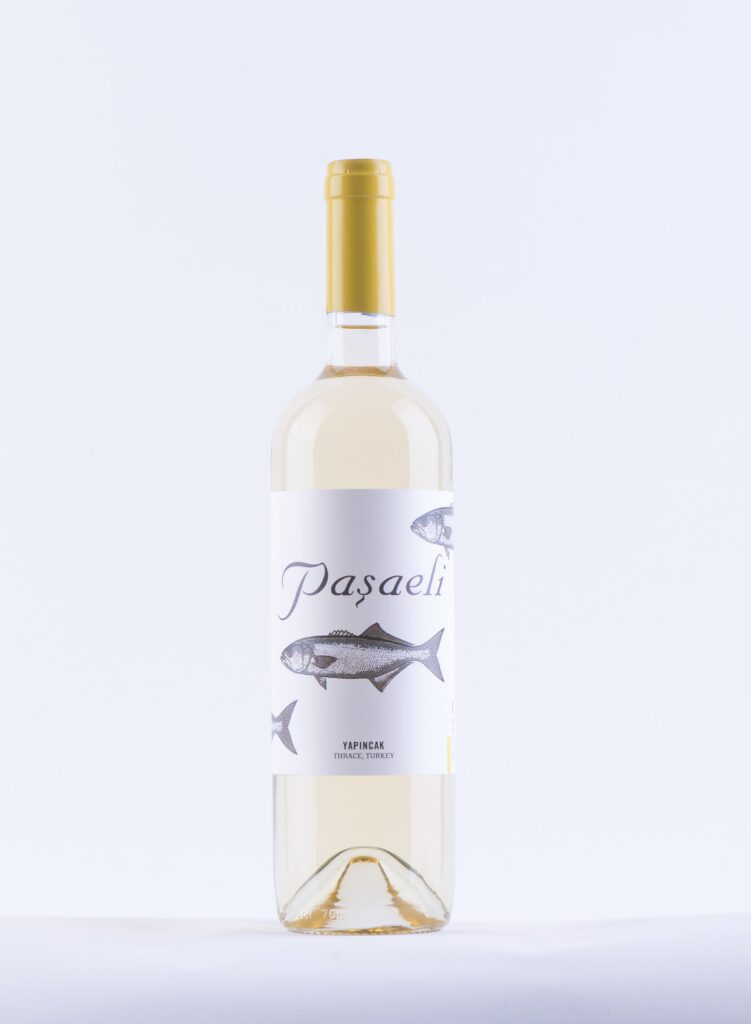
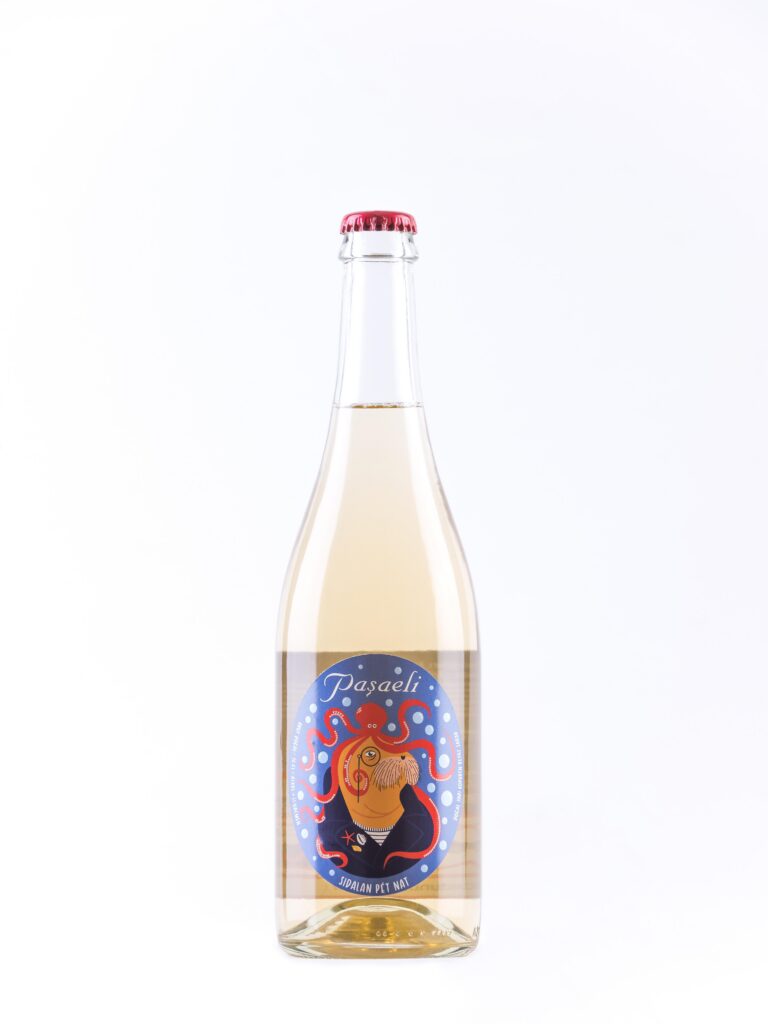
That second glass of Kolorko set the course. Over the years, Karagözoğlu has sought out neglected vineyards across western Türkiye, working with growers to preserve grapes that had all but vanished. Thanks in large part to his efforts, wine drinkers can now taste varieties like Çakal, Çalkarası, Karasakız, Kolorko, Sıdalan and Yapıncak — some produced in only a few hundred bottles a year. The vineyards spread across the Aegean and Marmara coasts, many of them dry-farmed and head-trained, cooled by the two seas and rooted in a complex mosaic of soils.
The house style splits neatly in two. There are the polished international blends that first won attention at home, and there is the heart of the estate: small-lot, often single-vineyard bottlings of grapes most of the world has never heard of. Red fermentations lean on native yeasts, the wines are handled gently, and the labels — worth a mention — are among the most striking coming out of Türkiye.
Now producing around 200,000 bottles a year, Paşaeli remains a boutique house with a global outlook. Its influence, though, runs far past its own cellar door: by exporting these varieties and putting them on the tables of Michelin-starred restaurants, Karagözoğlu has done as much as anyone to make the wine world take Turkish grapes seriously. What began with a village winemaker’s last few bottles has become one of the most important acts of preservation in modern Turkish wine.
Foxes & Grapes takes its name from the ancient Greek fable by Aesop — a story about desire, perspective, and how we sometimes convince ourselves that something just isn’t worth it simply because it feels out of reach.
In 2025, we opened Foxes & Grapes Wine Bar in Brussels with a simple philosophy: wine should be enjoyed, explored, and shared by everyone.
Within our first year, the bar received a Red Star and later a Silver Star from Star Wine List, and was recognised as a finalist for Best Newcomer Wine Bar in Belgium.
Operating the bar also helped us reflect on the long-term direction of the project. The traditional wine bar model did not fully align with the broader vision we had for Foxes & Grapes.
So we decided to evolve.
Today Foxes & Grapes is growing into a platform built around three pillars:
What began as a wine bar is becoming something bigger: a space where curiosity, discovery, and great bottles come together.
And this is only the beginning.