
There is a bridge over the Mosel that links the German town of Wincheringen to the Luxembourg village of Wormeldange — two nations, two winegrowing traditions, joined across the water. On the Luxembourg bank, right beside the crossing, stands a pink-hued manor house with a historic garden. This is Domaine Alice Hartmann, one of the most tradition-rich Riesling estates in the entire grand duchy — and its story turns on one remarkable woman.
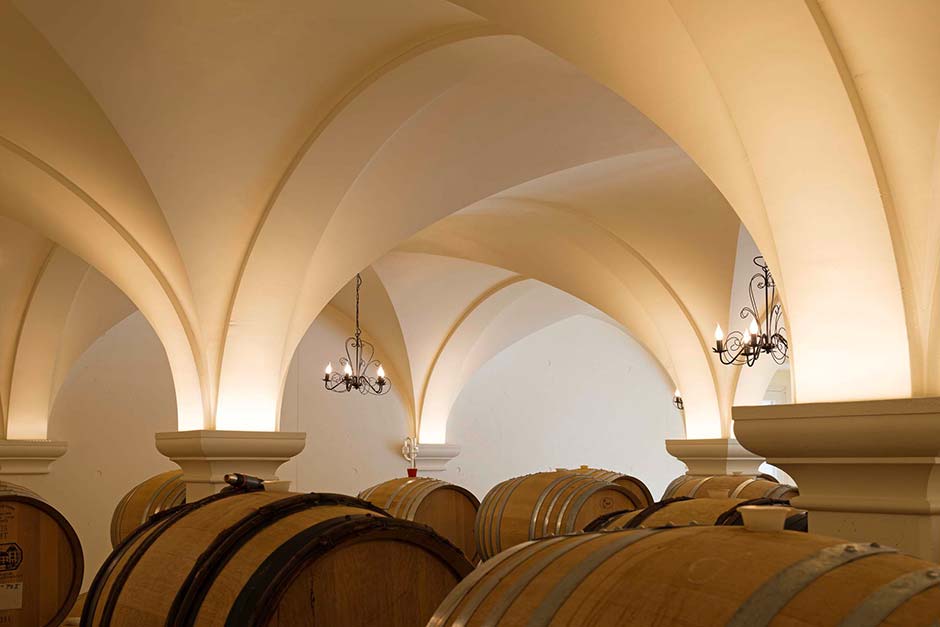
The estate is old — the main house dates to at least 1824, the cellar to the late 1790s — but its name and character come from the early twentieth century. Alice Hartmann and her husband received the domaine as a wedding present; the Hartmanns were the first in the village to own a car. Then tragedy struck. In 1937 Mr Hartmann was killed in a car crash, and Alice took over the estate as a widow, branding it in her own name as we know it today — at a time when women almost never held such roles. A great believer in Riesling, she kept the domaine running even through the Second World War, when neutral Luxembourg spent most of the conflict under occupation, and gradually turned her house into an icon of Luxembourg viticulture. Some of the Riesling vines she planted in 1937 are still producing fruit.
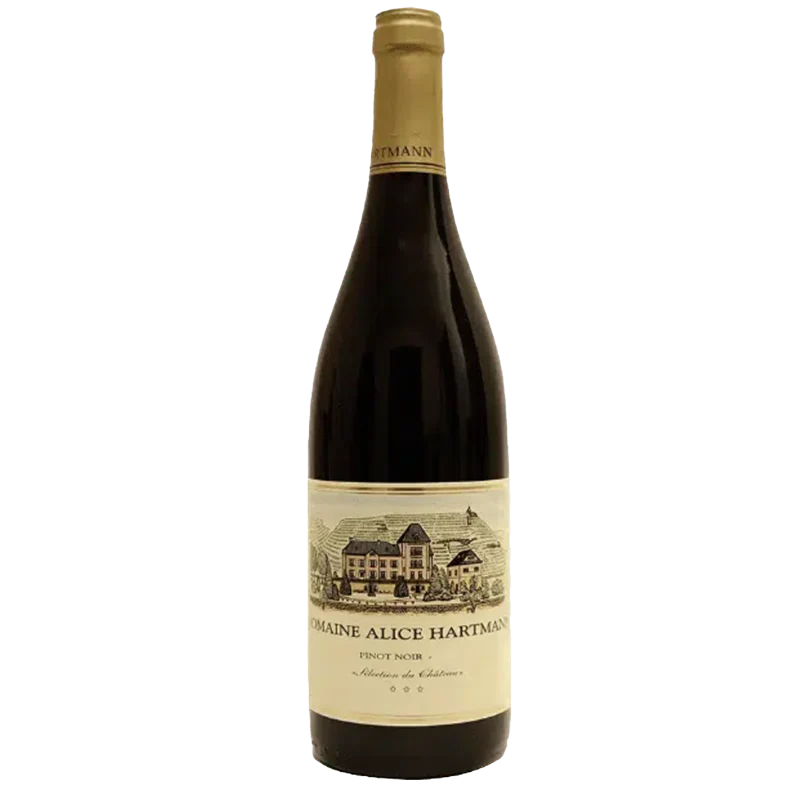
After her death, a nephew took the reins in the 1980s, and since 1996 the domaine has been run by two Luxembourgish families — Pierre Wesner and Jean Godard, both from winemaking stock — who continue Alice’s legacy. They diversified beyond Riesling in the late 1990s, adding their own Chardonnay and Pinot Noir.
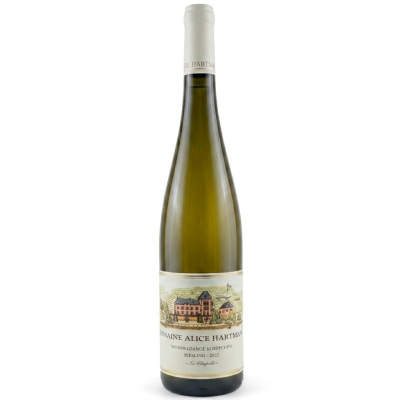
The estate’s crown jewel is its slice of one of the great vineyards of Northern Europe. Its holdings include a large share of the world-class Koeppchen site — likely the most famous vineyard in the grand duchy. Riesling finds its finest Luxembourg expression on the Koeppchen hill at Wormeldange, a south-facing slope on the banks of the Mosel. Alongside it, the domaine draws on other prized terroirs such as Grevenmacher Fels and Wintrange Felsberg, allowing it to bottle a suite of single-vineyard Rieslings that each speak with their own accent.
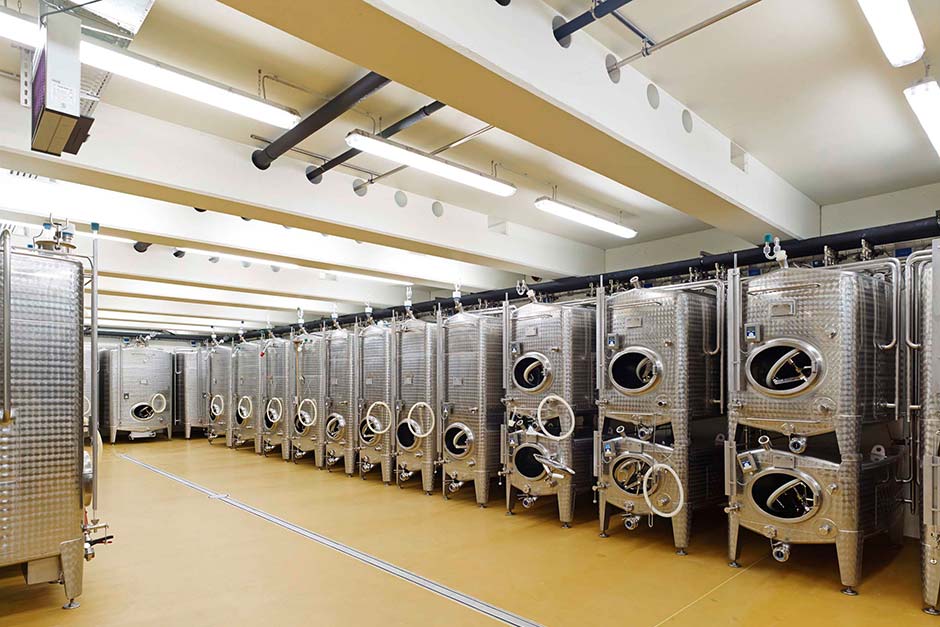
The farming and winemaking are quietly serious. Many of the Rieslings grow on steep terraced slopes for optimal sun and drainage; the oldest vines date to 1928, with an average age around 75 years. No herbicides or pesticides are used; sulphur is kept to a minimum, and spontaneous fermentations keep the wines in direct contact with nature. The single-vineyard Rieslings are fermented with indigenous yeasts in stainless steel, letting the shell-limestone terroir shine — unhurried, transparent wines built to age gracefully over many years.
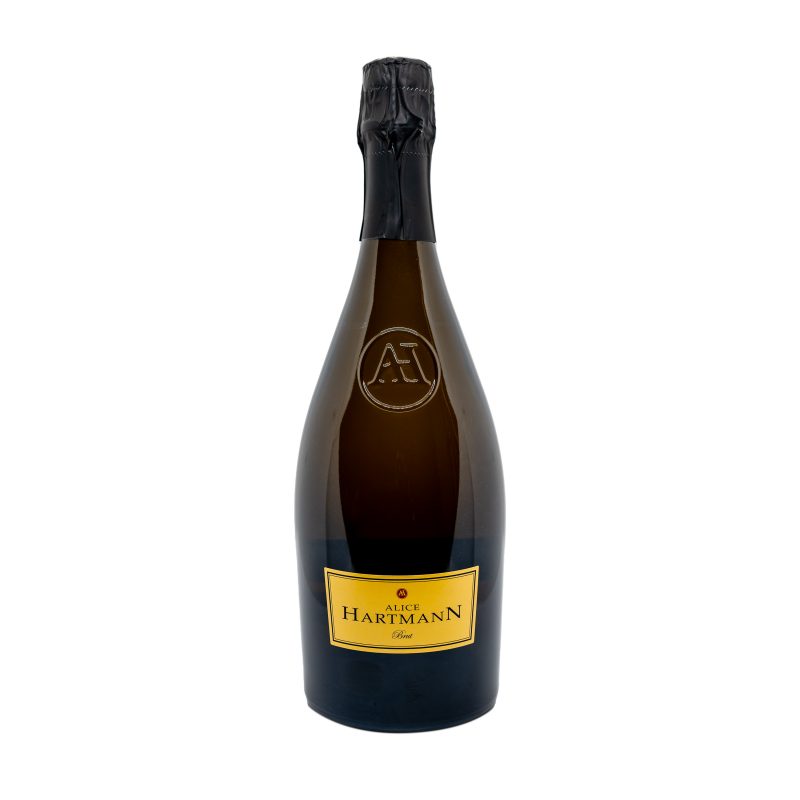
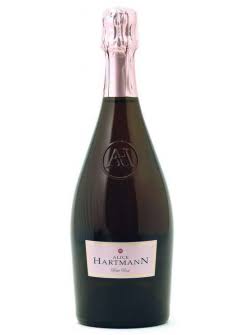
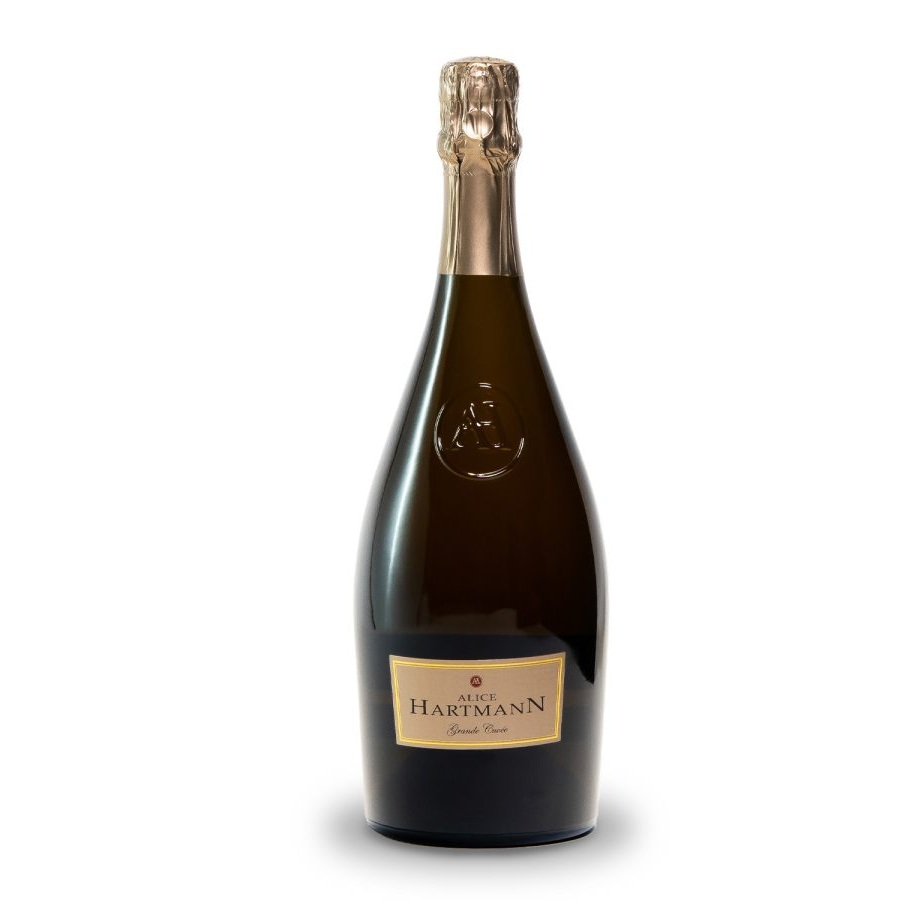
If Riesling is the estate’s soul, Crémant is now its calling card. In the 2000s, the domaine introduced a line of premium, traditional-method Crémant de Luxembourg that has become its signature — today around 80% of production. These sparkling wines — Brut, Rosé and Grand Cuvée, blending Riesling, Chardonnay and Pinot Noir — have earned a distinguished following. They’re poured at Luxembourg’s most prestigious occasions, including parliamentary functions and the Grand Duke’s own table. Indeed, the grand-ducal crest beside the estate’s name marks it as an official supplier to the court.
From a widow’s determination in the 1930s to a sparkling wine served to royalty, Domaine Alice Hartmann is Luxembourg’s Mosel in a glass: precise, mineral, and quietly aristocratic.
Foxes & Grapes takes its name from the ancient Greek fable by Aesop — a story about desire, perspective, and how we sometimes convince ourselves that something just isn’t worth it simply because it feels out of reach.
In 2025, we opened Foxes & Grapes Wine Bar in Brussels with a simple philosophy: wine should be enjoyed, explored, and shared by everyone.
Within our first year, the bar received a Red Star and later a Silver Star from Star Wine List, and was recognised as a finalist for Best Newcomer Wine Bar in Belgium.
Operating the bar also helped us reflect on the long-term direction of the project. The traditional wine bar model did not fully align with the broader vision we had for Foxes & Grapes.
So we decided to evolve.
Today Foxes & Grapes is growing into a platform built around three pillars:
What began as a wine bar is becoming something bigger: a space where curiosity, discovery, and great bottles come together.
And this is only the beginning.