
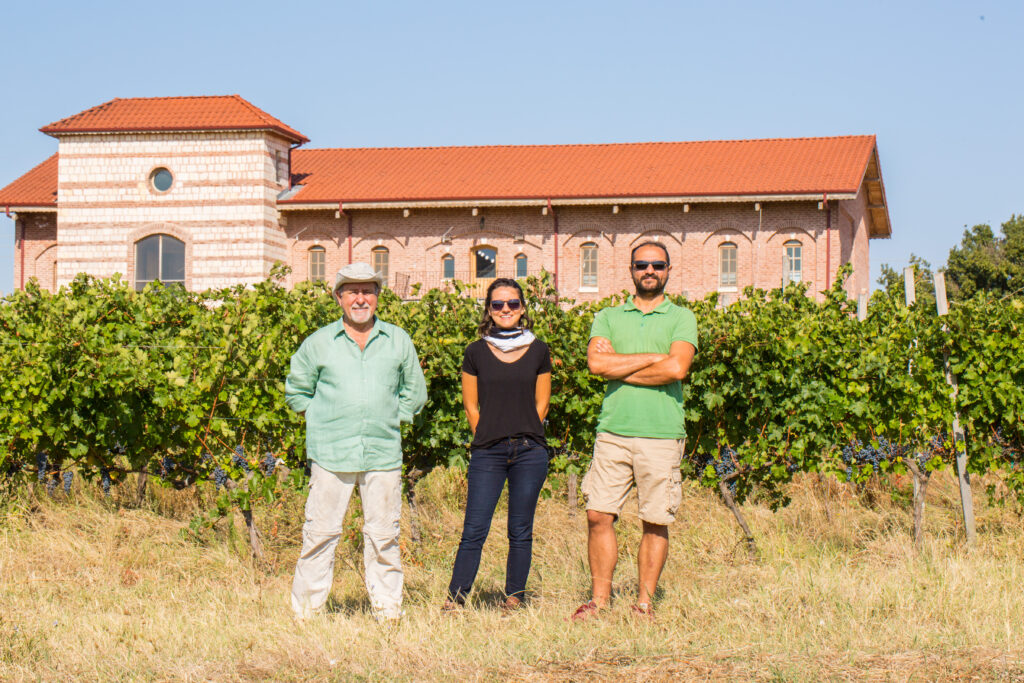
Turkey’s oldest wine road begins in its far northwestern corner, where the borders of Türkiye, Greece and Bulgaria almost touch. This is Thrace — mythologised as the birthplace of Dionysus and once the source of wine for the Byzantine Empire — and near the historic city of Edirne, on a vine-covered hill that rises straight off the road, sits Arda, the story of a family who decided in the early 2000s to revive their ancestors’ winemaking tradition. Alongside the indigenous grapes of Thrace, they have planted internationally acclaimed varieties around the winery, all farmed with sustainable, eco-friendly practices, and the goal throughout is the same: wines made with minimal intervention that reflect their terroir as fully as possible. It’s a genuine family affair — Ilyas Saç founded it, his daughter Şeniz oversees the winemaking, and his son Yavuz runs the winery — the kind of place where the family does everything themselves.
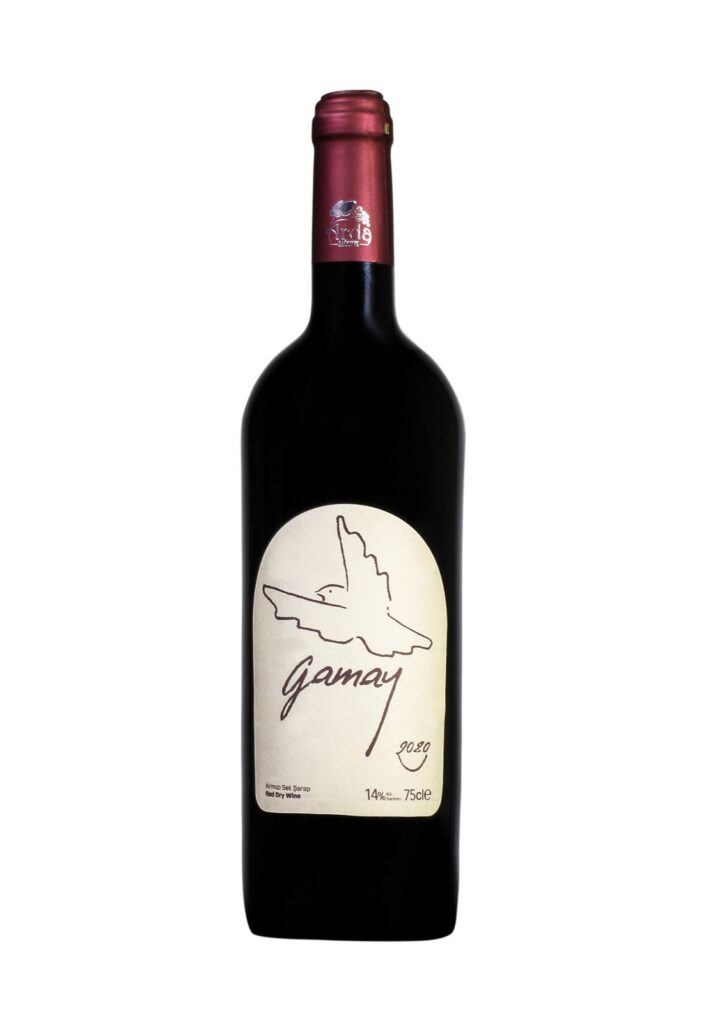
Upper Thrace around Edirne is a world away from the warm Aegean of most Turkish wine. Winters here are cold and snowy, summers dry and swept by constant northern winds, with sandy, stony soils over terra rossa and clay that drain well and reward the low yields Arda is after. The estate has doubled in size since opening and can now make up to 100,000 bottles a year, split between native and international grapes — Narince and Papazkarası alongside Chardonnay, Sauvignon Blanc, Sémillon, Cabernet Sauvignon, Syrah, Gamay and Merlot.
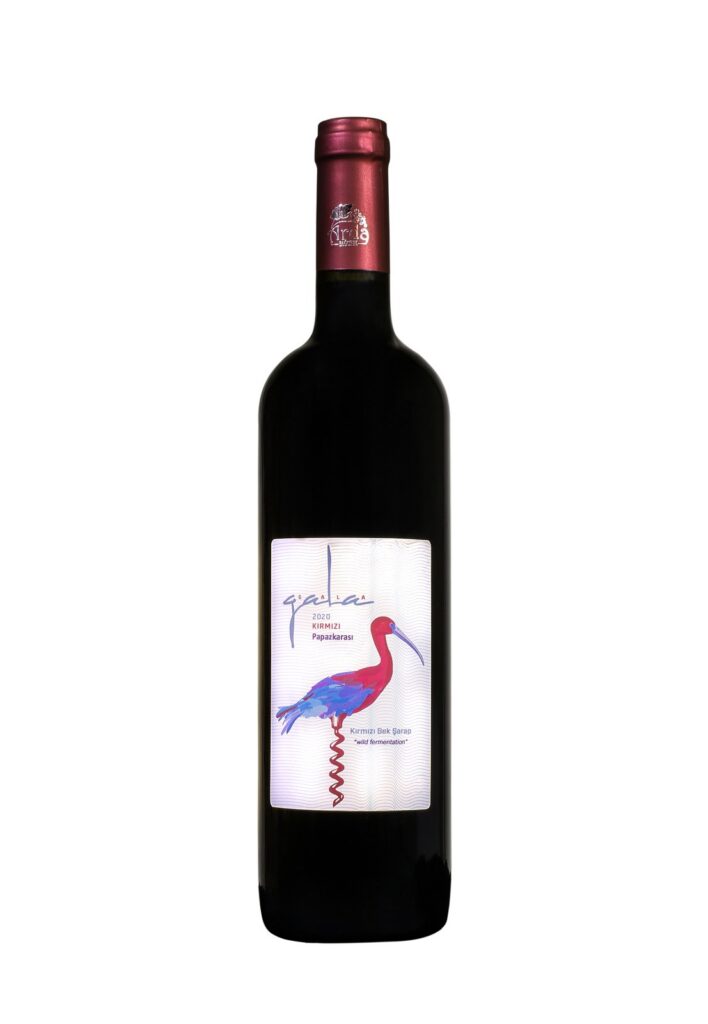
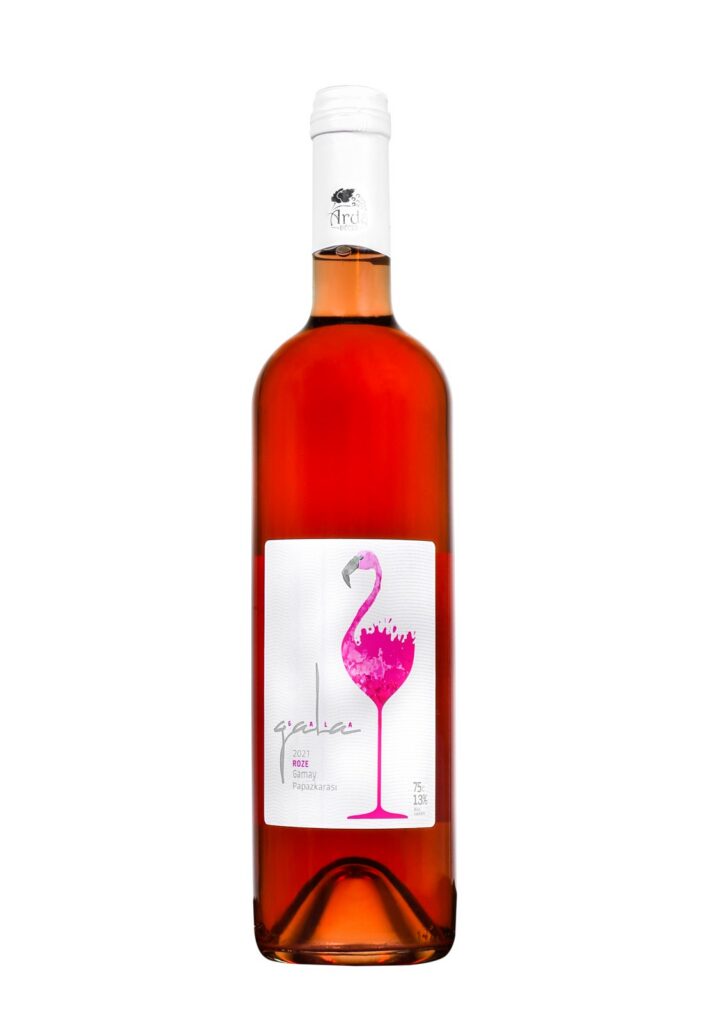
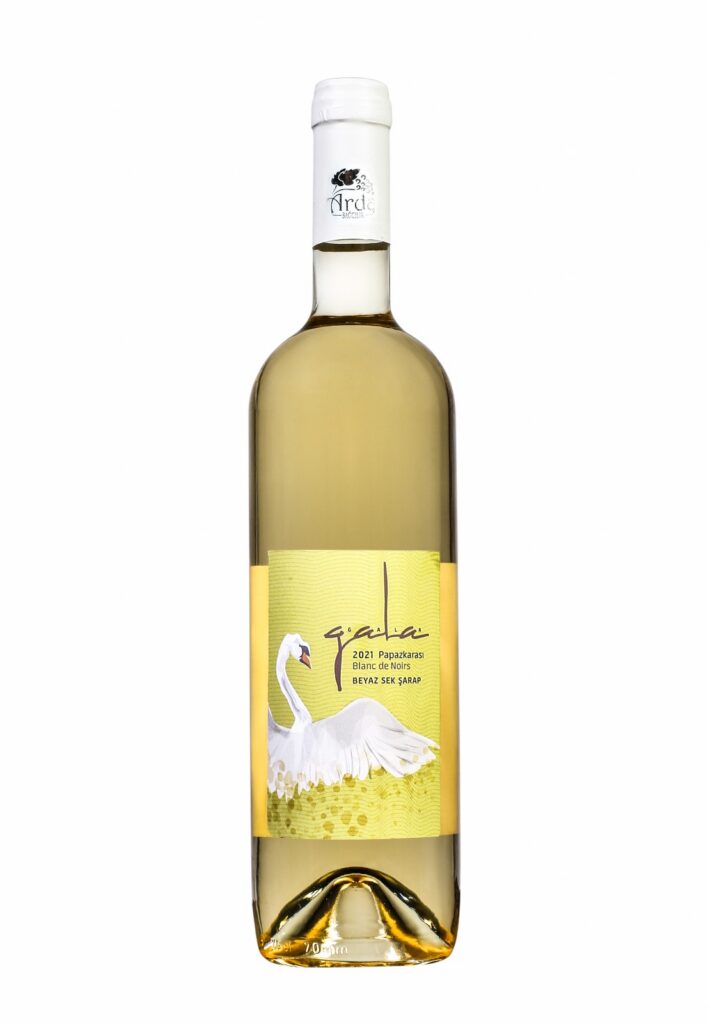
Arda’s signature is Papazkarası — literally “the priest’s black.” The grape has a storied history stretching back to the Eastern Roman Empire; legend holds that the Byzantine clergy of Constantinople favoured wines made from it, which is how it got its name. Interestingly, it’s one grape Arda doesn’t grow itself: the winery works with independent growers — chiefly the Altıparmak brothers — whose 40-year-old bush vines sit near Lake Gala on sandy, loamy soils. That lake gives the flagship range its name and its identity: the Gala series is named for the nearby lake, and each label features a different bird, a nod to its famous bird sanctuary. Şeniz coaxes a remarkable range from a single variety here — an unoaked red, a fragrant rosé, and a delicate blanc de noir among them.
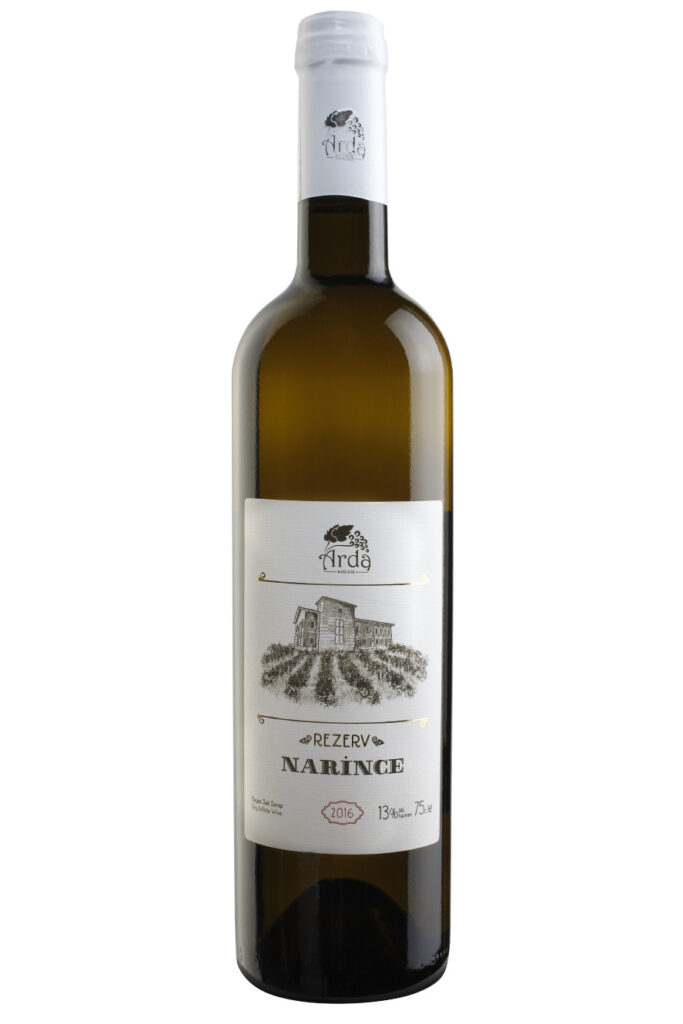
What sets Arda apart is a genuine spirit of experimentation. It’s one of a small number of Turkish wineries willing to try things and put them in front of drinkers — co-fermentations, late-harvest dry reds, extended macerations, unexpected blends of native and international grapes. The Narince story captures the ethos: Arda once bought in its Narince fruit, but has since planted the grape on the estate itself — gaining full control over quality and, in the process, helping extend the grape’s terroir footprint into Thrace, far from its Black Sea home.
Rounding out the estate is a restaurant serving the wines with local specialities — the kind of warm hospitality that has made Arda a favourite stop on the Thrace Vineyard Route.
Arda is a family’s labour of love, made in one of Türkiye’s coldest, most northerly vineyards: characterful, curious, and deeply rooted in a grape the Byzantines are said to have loved.
Foxes & Grapes takes its name from the ancient Greek fable by Aesop — a story about desire, perspective, and how we sometimes convince ourselves that something just isn’t worth it simply because it feels out of reach.
In 2025, we opened Foxes & Grapes Wine Bar in Brussels with a simple philosophy: wine should be enjoyed, explored, and shared by everyone.
Within our first year, the bar received a Red Star and later a Silver Star from Star Wine List, and was recognised as a finalist for Best Newcomer Wine Bar in Belgium.
Operating the bar also helped us reflect on the long-term direction of the project. The traditional wine bar model did not fully align with the broader vision we had for Foxes & Grapes.
So we decided to evolve.
Today Foxes & Grapes is growing into a platform built around three pillars:
What began as a wine bar is becoming something bigger: a space where curiosity, discovery, and great bottles come together.
And this is only the beginning.