
The land that became Kastro Tireli spent most of a century being forgotten. A quarter of a century ago it was a secluded, family-owned corner where animals grazed freely — a far cry from the ancient wine country it had once been. Akhisar, known in antiquity as Thyateira and once a key centre of the Lydian civilisation, has settlement dating back some five thousand years, to around the time viticulture itself was born in Anatolia. The vine had simply slipped away from it.
It took an outsider’s eye — and a Turk’s homecoming — to bring it back.
Yunus Mermerci’s wine journey began while he was studying finance in France, and eventually led him home to Türkiye to found his own winery. On a business trip to Akhisar he was struck by the topography, and it matched a long-held plan to establish a vineyard. He proceeded carefully. A test vineyard went in during 2004; after study trips through the Côtes du Rhône and Tuscany, intensive planting began in 2006, and the first harvest came only in 2010 — the same patient, vines-first sequence you find at the best small Turkish estates.
He also brought in serious help. French winegrowers from Côte-Rôtie, visiting as Mermerci’s guests in 2004, saw real potential in the region and pointed him toward Tuscany — where he met Dr Andrea Paoletti, the Italian oenologist who has consulted for names like Ornellaia and the Brunello house Val di Cava. Alongside Paoletti, winemaker Işık Gülçubuk helped shape a quality-focused boutique estate. The name itself reaches back into local memory: Kastro Tireli means “Tireli Castle,” after the old Tireli Farm that belonged to İsmail Bahri Bey — the Akhisar commander of the National Forces and the town’s first mayor in the early Republic.
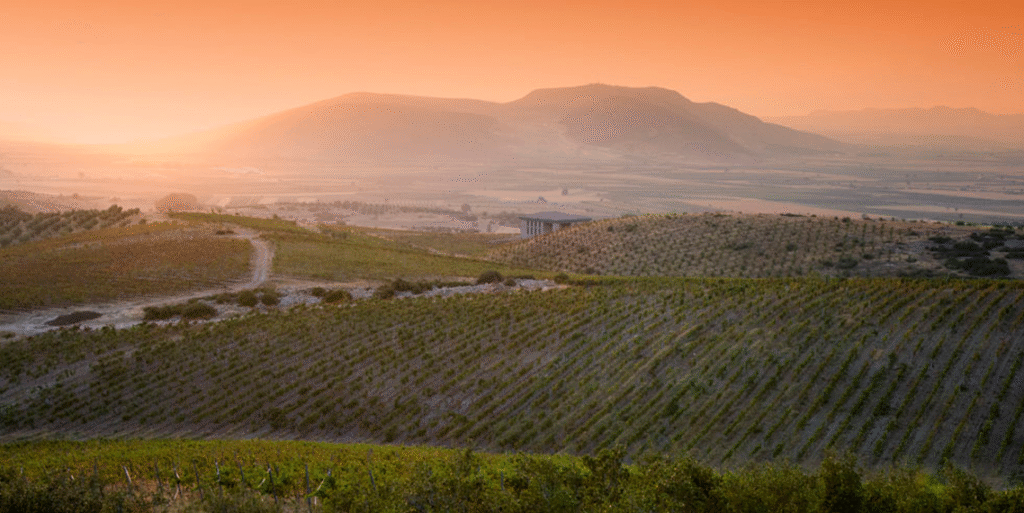
The estate’s advantage is that it sits above the fray. The vineyards lie between 200 and 280 metres, roughly 100 km inland from the Aegean coast — high enough to escape the rich soils of the Akhisar valley floor and grow instead on genuinely poor soils, exactly the kind of lean ground that concentrates flavour. Close enough to the sea to catch coastal breezes, the site sees cold, rainy winters and long, warm summers.
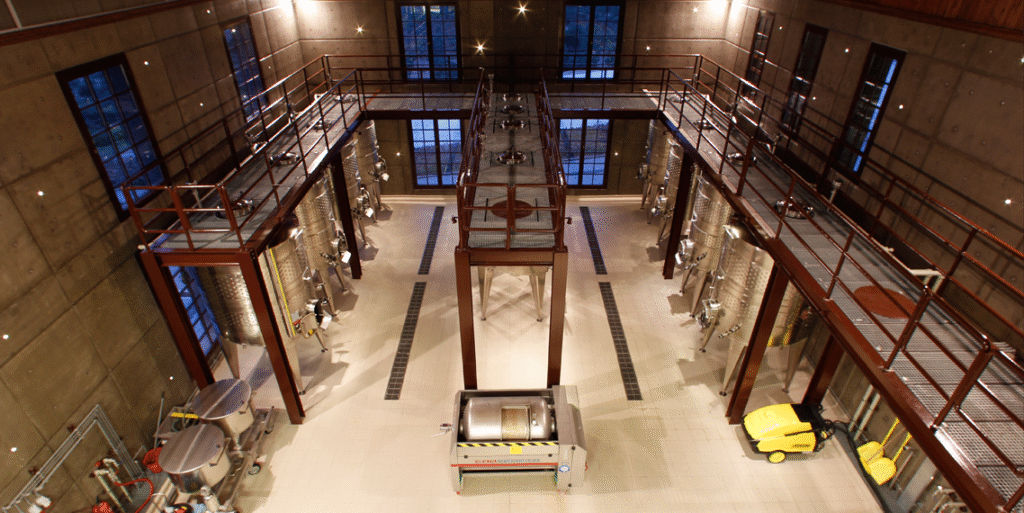
Everything here is deliberately hands-on. Mermerci has farmed organically since planting began; all vineyard work is done by hand, each block is picked separately and taken to the gravity-flow winery on site, and the wines are fermented with native yeasts — a low-intervention approach that, as Gülçubuk notes, is only possible because of the organic farming and careful handling behind it. Uniquely, the winery is set in the middle of the vineyard and works solely with its own estate fruit.
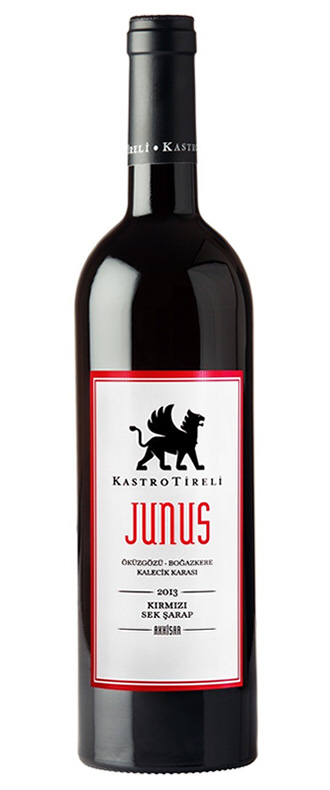
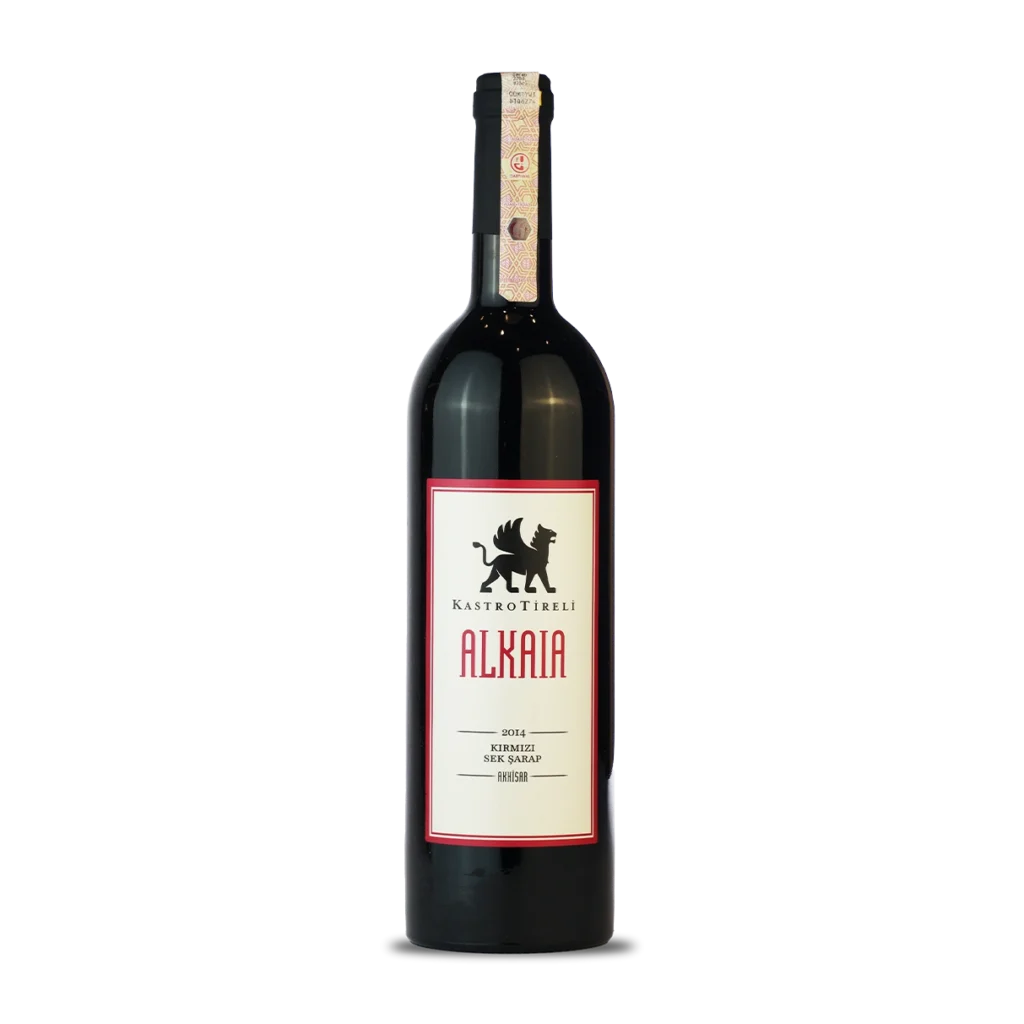
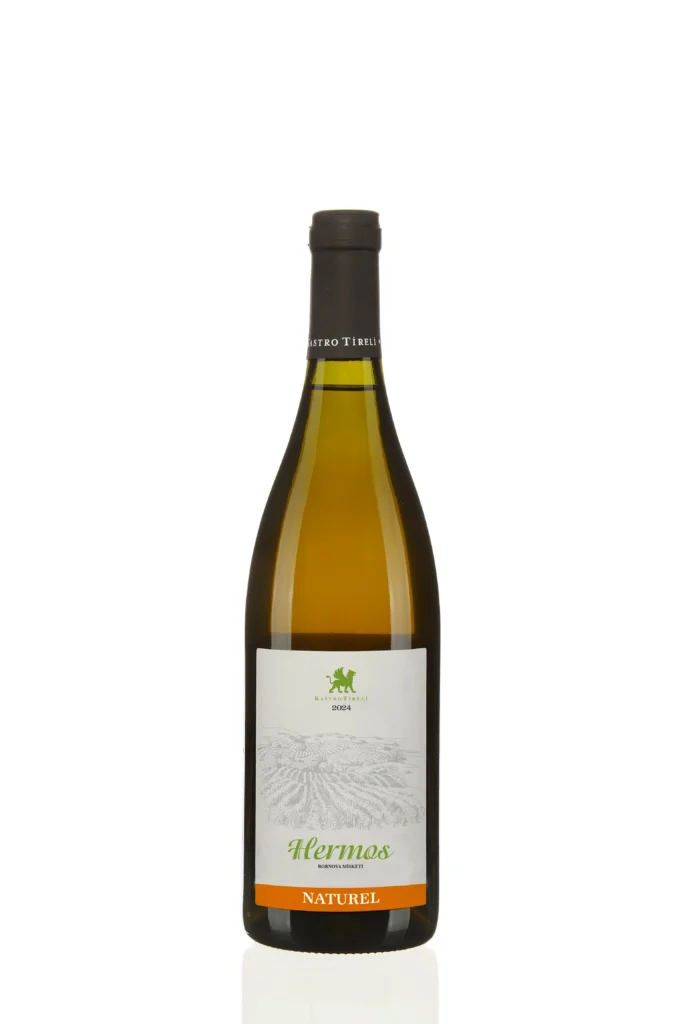
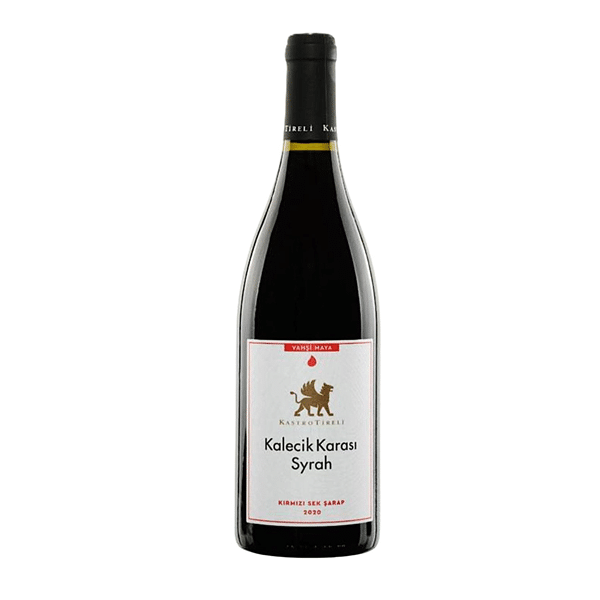
Kastro Tireli’s range moves easily between Anatolia and the wider Mediterranean. On the native side sit varieties like Kalecik Karası, Narince, Öküzgözü, Boğazkere and the aromatic Bornova Misketi; alongside them are Rhône and Bordeaux grapes — Syrah, Mourvèdre, Cabernet, Merlot, Viognier — that clearly reflect Mermerci and Paoletti’s French and Italian influences. The whites earn particular praise: one wine critic singled out the estate’s skin-macerated Bornova Misketi, given between 35 and 60 days on skins and a brief pass through old barrels, as one of the most interesting wines on the whole Turkish scene. Among the reds, the flagship Syrah-Mourvèdre blends — long-macerated and aged around eighteen months in French oak — have collected international medals.
Kastro Tireli is what happens when an ancient wine region gets a patient, well-travelled champion: forgotten grazing land, coaxed back to the vine, now producing some of the most quietly compelling wines in Türkiye.
Foxes & Grapes takes its name from the ancient Greek fable by Aesop — a story about desire, perspective, and how we sometimes convince ourselves that something just isn’t worth it simply because it feels out of reach.
In 2025, we opened Foxes & Grapes Wine Bar in Brussels with a simple philosophy: wine should be enjoyed, explored, and shared by everyone.
Within our first year, the bar received a Red Star and later a Silver Star from Star Wine List, and was recognised as a finalist for Best Newcomer Wine Bar in Belgium.
Operating the bar also helped us reflect on the long-term direction of the project. The traditional wine bar model did not fully align with the broader vision we had for Foxes & Grapes.
So we decided to evolve.
Today Foxes & Grapes is growing into a platform built around three pillars:
What began as a wine bar is becoming something bigger: a space where curiosity, discovery, and great bottles come together.
And this is only the beginning.